
GUARDIANS will help small- and medium-sized farms bridge the current technological gap with bigger farms through the implementation of a set of digital innovative solutions.
Today, we interview Valerio from Azienda Agricola Fratelli Ramero (Piedmont, Italy).
Hi Valerio!
Let’s start with the first question.
What kind of farm is Azienda Agricola Fratelli Ramero? Can you tell us about it?
Our farm is family-run. It’s me and my sons. The youngest helps on the farm and mainly looks after the calves, which he likes a lot. We also have a young man who helps us, especially with the tractors.
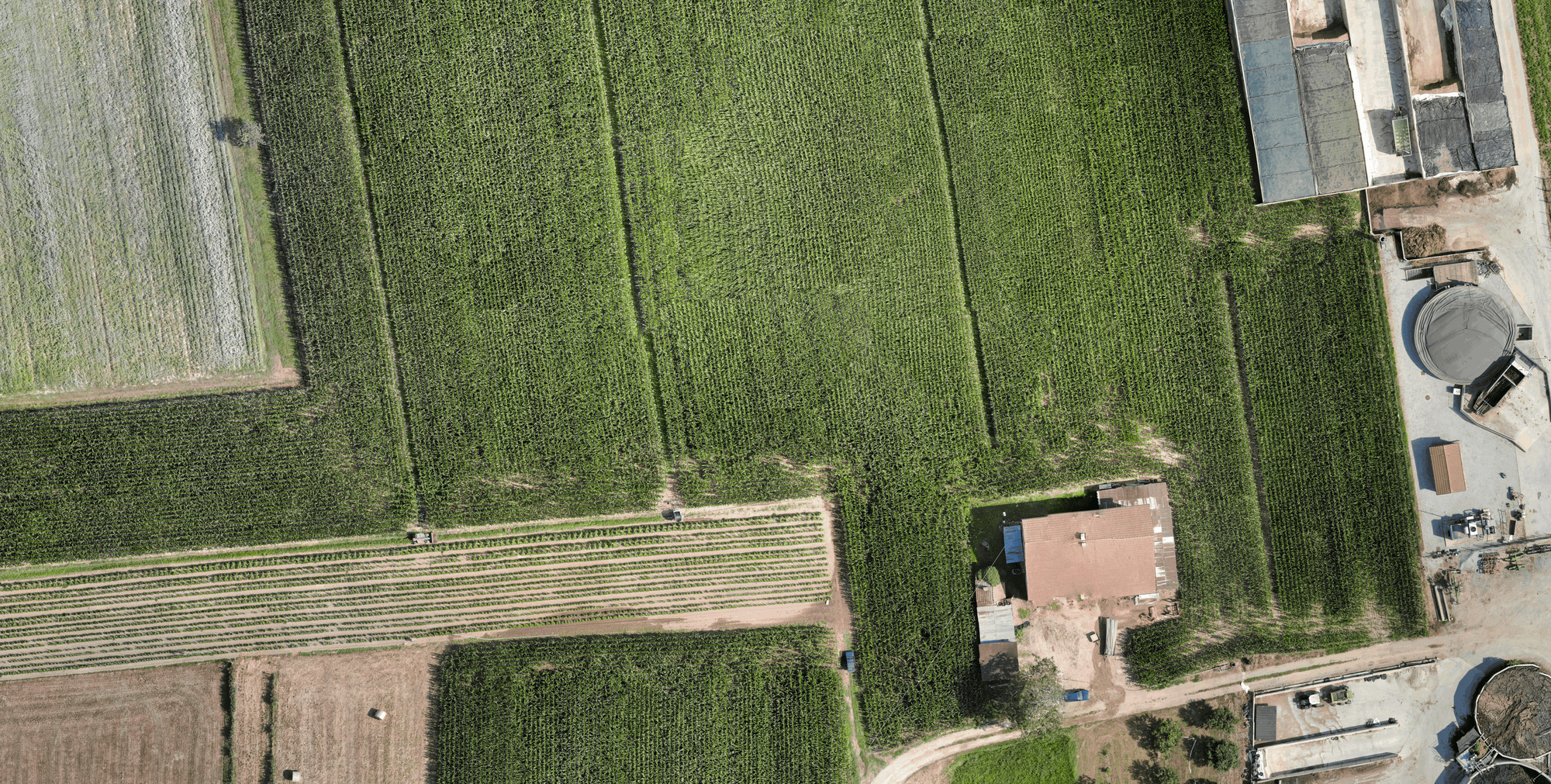
We mainly raise dairy cows and farm the land to produce fodder.
In terms of size, we have about seventy dairy cows. We are not a huge farm, but not very small either.
We have a long history behind us. I was born in 1969 and inherited the farm from my father. We have been here for generations!
We are a traditional family business.
And what are your farm’s main activities?
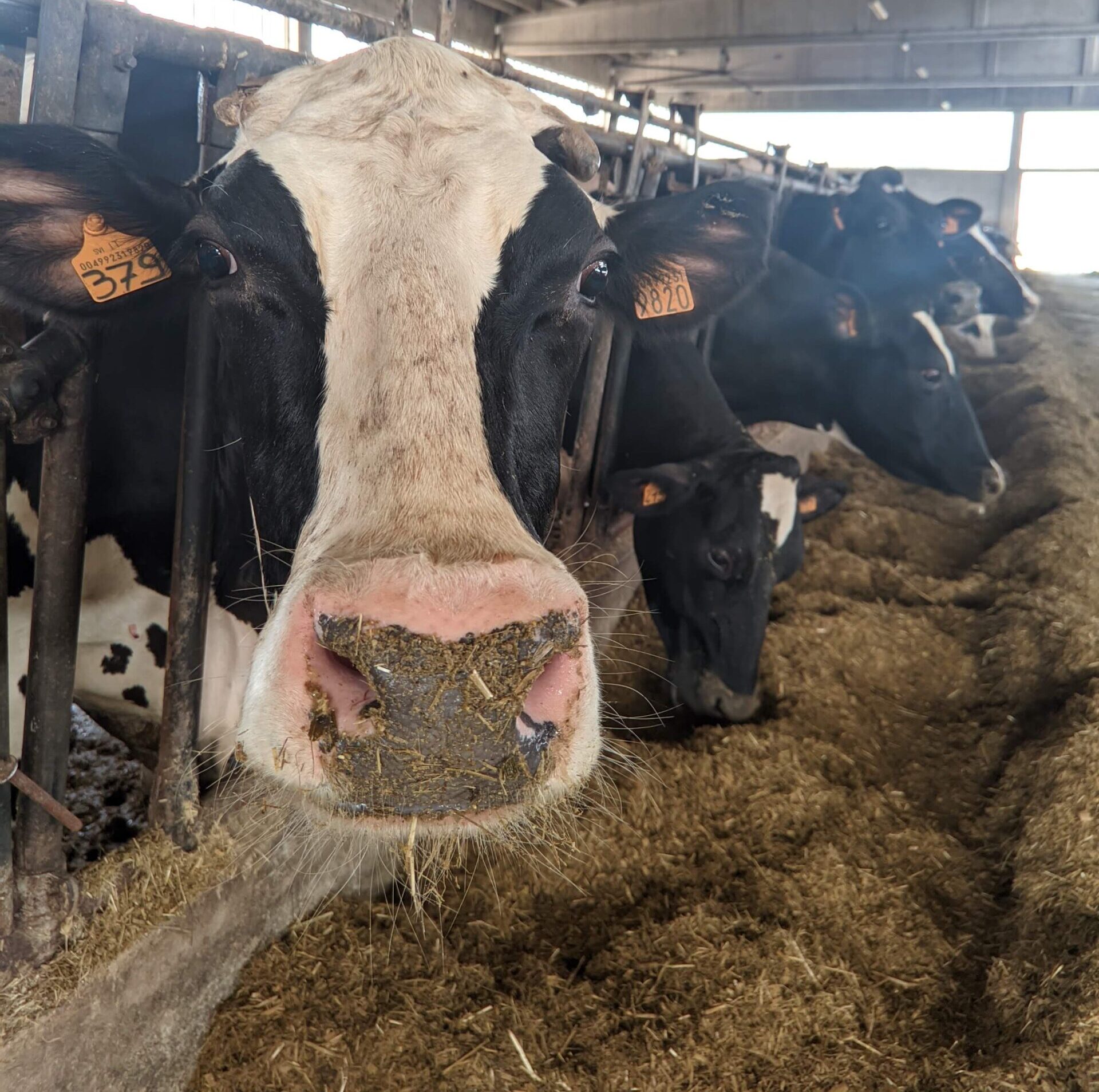
Milk production is the heart of our business, and our main activity is dairy cow breeding.
Besides breeding, we farm our land mainly to produce fodder for our cows. We make hay and silage. We usually take advantage of the good weather to cut and bale some hay. The other day, for example, was a good day!
We also have a few calves, which my youngest son mainly takes care of.
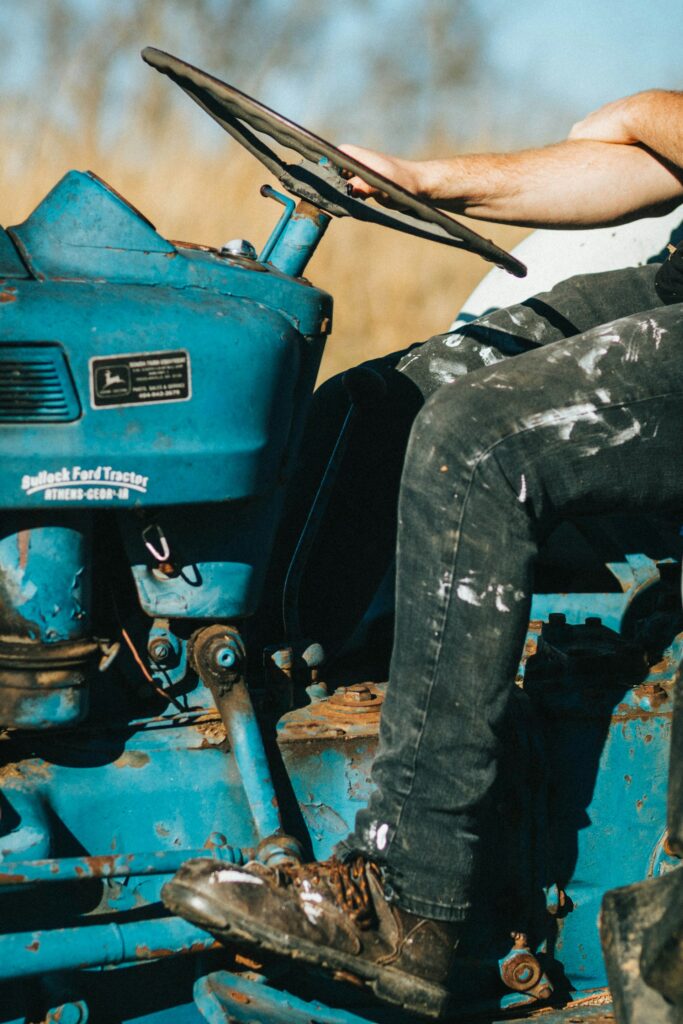
We use machinery like tractors and a mixer wagon to prepare the cows’ feed. We use the mixer wagon twice a day, every day, to prepare the ration for the cows.
The goal is to be as self-sufficient as possible in feeding our animals.
Thank you, Valerio, for sharing your history and part of your daily life. Let’s shift to the GUARDIANS project. You are one of the farms involved in Pilot #2 where technology #4 – CERERE will be tested. What kind of challenges are you facing on your farm, and what do you hope to achieve with GUARDIANS?
Well, we face many challenges every day. One of the main problems has always been water, especially for irrigation. In the past, it was a real problem: you could irrigate one day and then maybe for twenty days there was no water available. Now we have a reservoir that allows us to better plan irrigation, but using water efficiently is still a challenge.
Another difficulty is labour optimisation. Today, thanks to the latest technologies, we can manage more animals with fewer people, but we still have to find the right balance between automation and human presence. For example, we have improved efficiency in this sense with robotic milking, but there are always unforeseen situations that require human intervention. Another example could be collars to monitor animal health and activity. We have been using them since 2011 when we expanded as a farm. If you are a small farm and can always check your few animals, you can do without them. Otherwise, they are helpful for monitoring health – for example – but you still need to go onsite to check. They don’t replace humans, but they give support.
There are also challenges related to climate change. The climate has become more unpredictable, which makes it more difficult to plan agricultural activities and manage water resources.
As for my expectations from the GUARDIANS project, I hope it will help us use resources more efficiently, especially water. It would be great to have a system that allows us to irrigate only when it is really necessary, based on accurate soil moisture data and weather forecasts.
Also, I hope the project will help us reduce waste. For example in the preparation of food for the cows or the use of fertilizers in the fields. If we could have more precise data on what exactly is needed – and when – we could optimise our processes a lot.
Overall, I expect that at the end of the project we will have tools that will allow us to work smarter, not necessarily harder, making our farm more environmentally and economically sustainable.
How do you feel about the use of technology for your daily work? Do you trust the technology you will test in the pilot? And to what extent do you think it will have an impact on your daily work?
I have a positive but cautious attitude. I see them as useful tools, but not as miracle solutions.
I have confidence in the technologies we will test in the pilot, but with a certain realism. As I have always said, technology must be a support, not a complete replacement for human work. I think every new technology must be carefully evaluated to see if and how it can be truly useful in our daily work.
My hopes are mainly related to resource optimisation. For example, if technology would allow us to irrigate more precisely and efficiently, that would be great. We could save water and at the same time make sure the plants get exactly what they need. In general, if we had accurate data on soil moisture, weather forecasts, and plant health, we could make more informed choices and plan our activities better.
At the same time, I have some concerns. One is related to complexity: I don’t want the technology to become so complicated that it requires an expert for every small operation. It has to be simple enough that all of us in the company can use it, even those who may not be very familiar with computers or similar devices.
Another concern is reliability. As I said about the robotic milking, sometimes all it takes is a small problem and the machine stops. In agriculture, we cannot afford prolonged downtime, so the technology must be robust and reliable.
One challenge I foresee is the integration of these new technologies with our existing working methods. It will be important to find the right balance between innovation and tradition, without losing sight of the experience and knowledge we have accumulated over the years.
Technology can be a great help, but we must use it wisely, without forgetting that agriculture is made of soil, plants and animals, not just data and computers.
For small- and medium-sized farms to be competitive in the global market, it is crucial to bridge the current technological gap with bigger farms. What are the current barriers in your opinion? What do you think is necessary to improve for more farmers to approach innovative and sustainable farming practices?
One of the main obstacles for small and medium-sized farms is limited access to resources and the most advanced technologies. Larger farms have often already automated many processes, such as irrigation, through technological tools and drones, while we small farmers are often forced to do things manually or with less sophisticated equipment. Technologies, such as those related to irrigation and reducing waste of resources, are crucial, but more education and training are needed to make the best use of these tools. Many farmers are not comfortable with technology, especially the older ones. For example, the satellite system for the tractor may seem useful, but if you are not trained to use it in the best possible way, you only risk spending money without real benefits. Furthermore, technology must be accompanied by proper maintenance, and it is often difficult to find qualified personnel who can handle technical problems that may arise.
To help small farms overcome these obstacles, it is necessary for local authorities, institutions and training centres to commit themselves and offer practical and accessible courses on the use of new technologies. It is not enough to provide advanced tools; it is essential to train farmers and ensure that they can see the direct benefits. Institutional support is also essential to promote the adoption of sustainable practices, such as drip irrigation systems, which reduce water waste and improve soil quality.
Also, it would be useful to create an experience-sharing network among farmers where those who have already implemented technologies can explain the benefits and challenges encountered.
And, on the other hand, what would you suggest farmers do to approach, understand and potentially evaluate the use of new technologies in the agri-food sector?
First of all, I would suggest they start with the simplest technologies, such as modern irrigation systems that save water and irrigate only when you really need it. Technology should not instil fear. Even though it may seem complicated, even the least expert can learn over time. In my case, for example, the use of robotic milking has been very useful: at first, it seemed complex, but now it helps us to better manage work and monitor the health of the cows. It does not completely replace man, but it supports and improves work management.
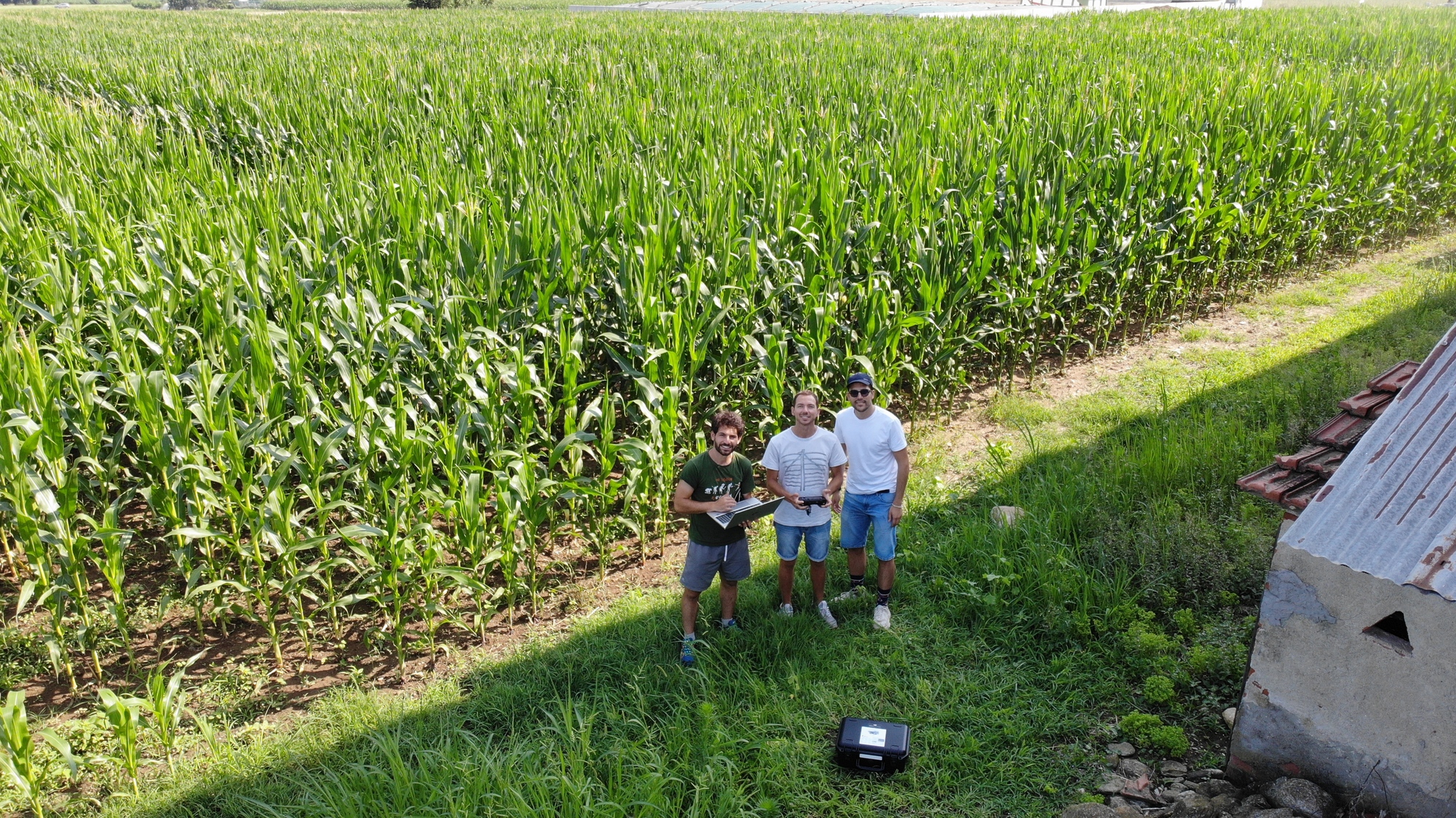
I would also advise patience and experimentation, like with drones to keep wild animals away from the fields. Even if it initially seems strange to use such advanced technologies, they can sometimes be useful, but only by trying them out can we really understand if they are right for us.
Finally, I would say that it is important to talk to other farmers who have already adopted certain technologies. Talking to those who have already taken the step can help you understand the real benefits and overcome scepticism. Technical support is also crucial: knowing that there is someone who can help you solve technical problems gives you more confidence.