#7 ECOWARD

TECH PROFILE
SMART FARMING FOR LABOUR SUPPORT
Hardware
Software
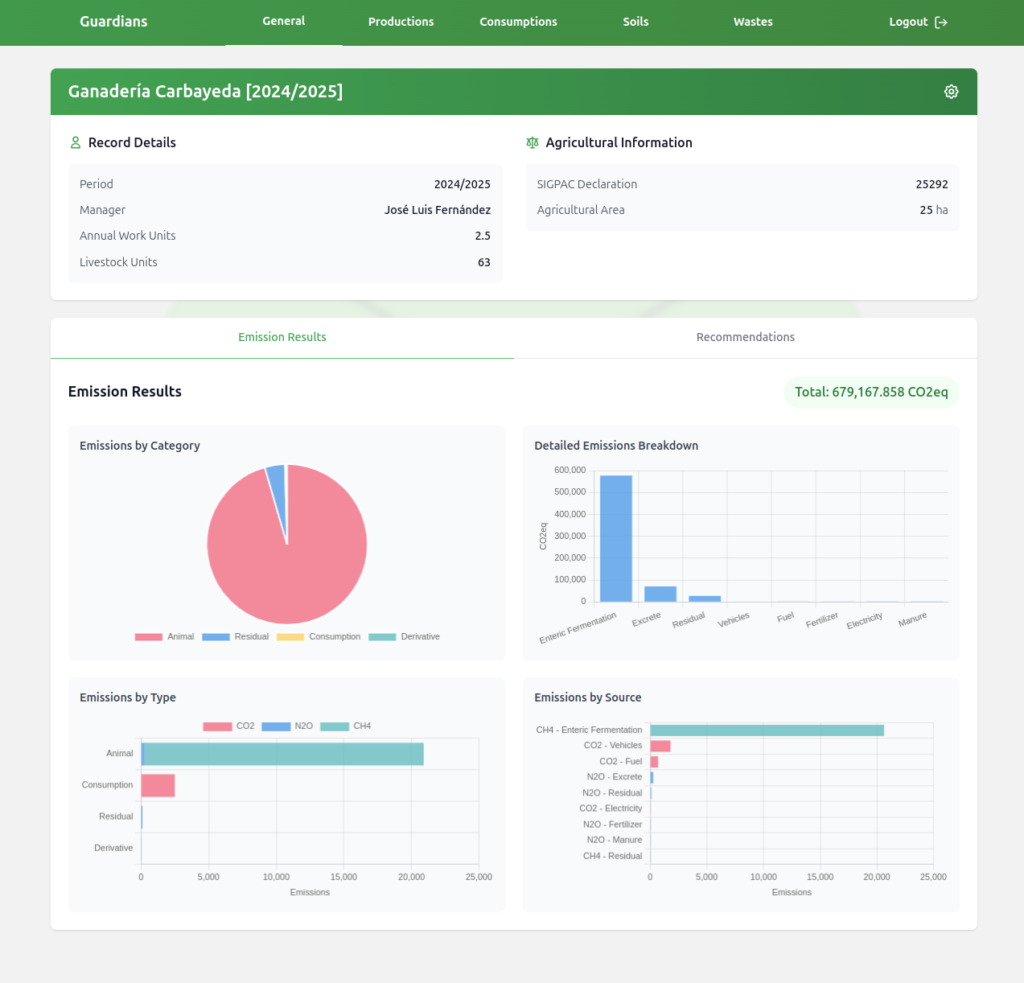
This platform enables small and medium livestock farms to monitor greenhouse gas emissions efficiently, supporting farmers in complying with the new European environmental legislation that requires them to report their contribution to greenhouse gas emissions. It uses a methane NIR (near infrared) detector (“sniffer”) installed in the AMS (automatic milking system) feed bin and a software platform for data analysis. The device measures methane from digestion peaks and reports daily emissions, offering farmers an affordable, accurate monitoring solution. In fact, the agro-livestock sector appears to contribute up to 18% to the global greenhouse gas emissions, derived from the enteric fermentation of the livestock and from manure management.
Data produced by this platform is also accessible to non- experienced users.
KEY FEATURES & INNOVATION
- Methane for NIR detector: Installed in the AMS feed bin, it measures methane concentration by detecting eructation peaks.
- Software platform: Processes collected data and provides visualization and interpretation, combining it with life cycle analysis (LCA).
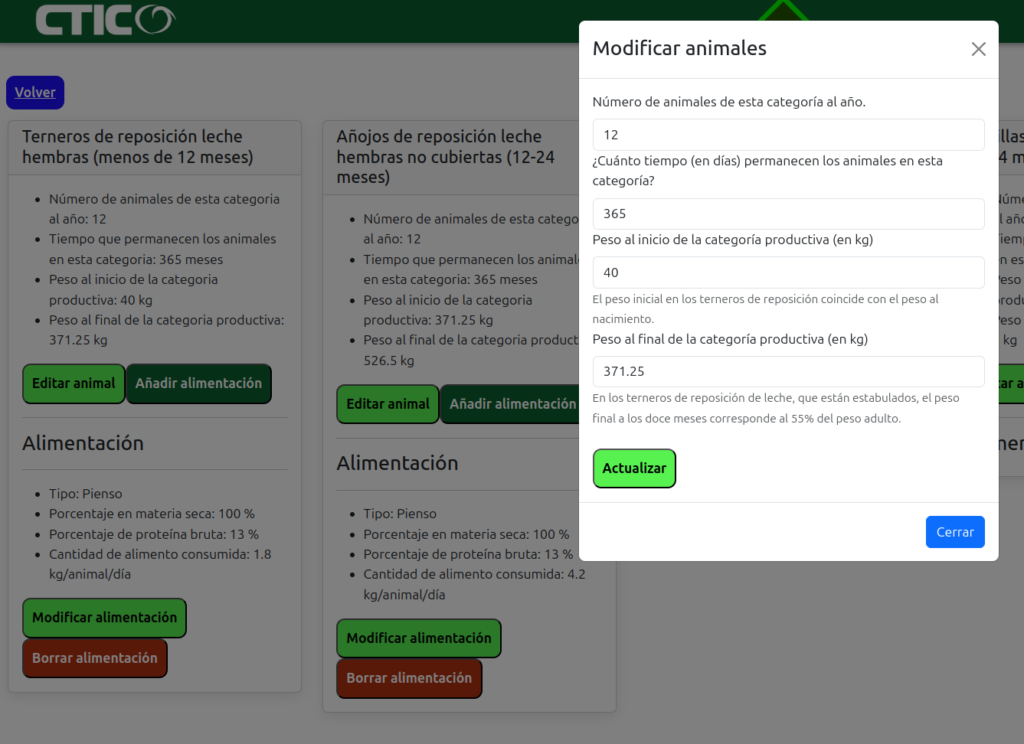
- Data input: Farmers provide information on livestock, feeding, and manure management practices, with the platform applying IPCC calculations to assess GHG balance.
- Cooperative planning: EcoWard enables cooperatives to track sustainability across multiple farms, promoting strategies to reduce emissions.

BENEFITS
- Cost-effective solution: Small farms can monitor and manage GHG emissions.
- Improved livestock management: Identifies low-emission animals to select high-yield cattle.
- Sustainability: Supports low-carbon dairy products and cuts production footprint.
- Competitive advantage: Small farms thrive in a sustainability-driven market.

ACCESSIBILITY
EcoWard addresses a major market gap as existing commercial GHG sensors cost ten times more and have annual fees of €10.000 per unit. With this more accessible technology, cooperatives take on the responsibility of training and data handling, reducing the burden on small farms, which often operate with minimal labour resources.