
GUARDIANS will help small- and medium-sized farms bridge the current technological gap with bigger farms through the implementation of a set of digital innovative solutions.
Today, we interview Jesus from J. Terrones farm (Spain).
Hi Jesus!
Let’s start with the first question.
What kind of farm is J. Terrones? Tell us more about it and your core activities.
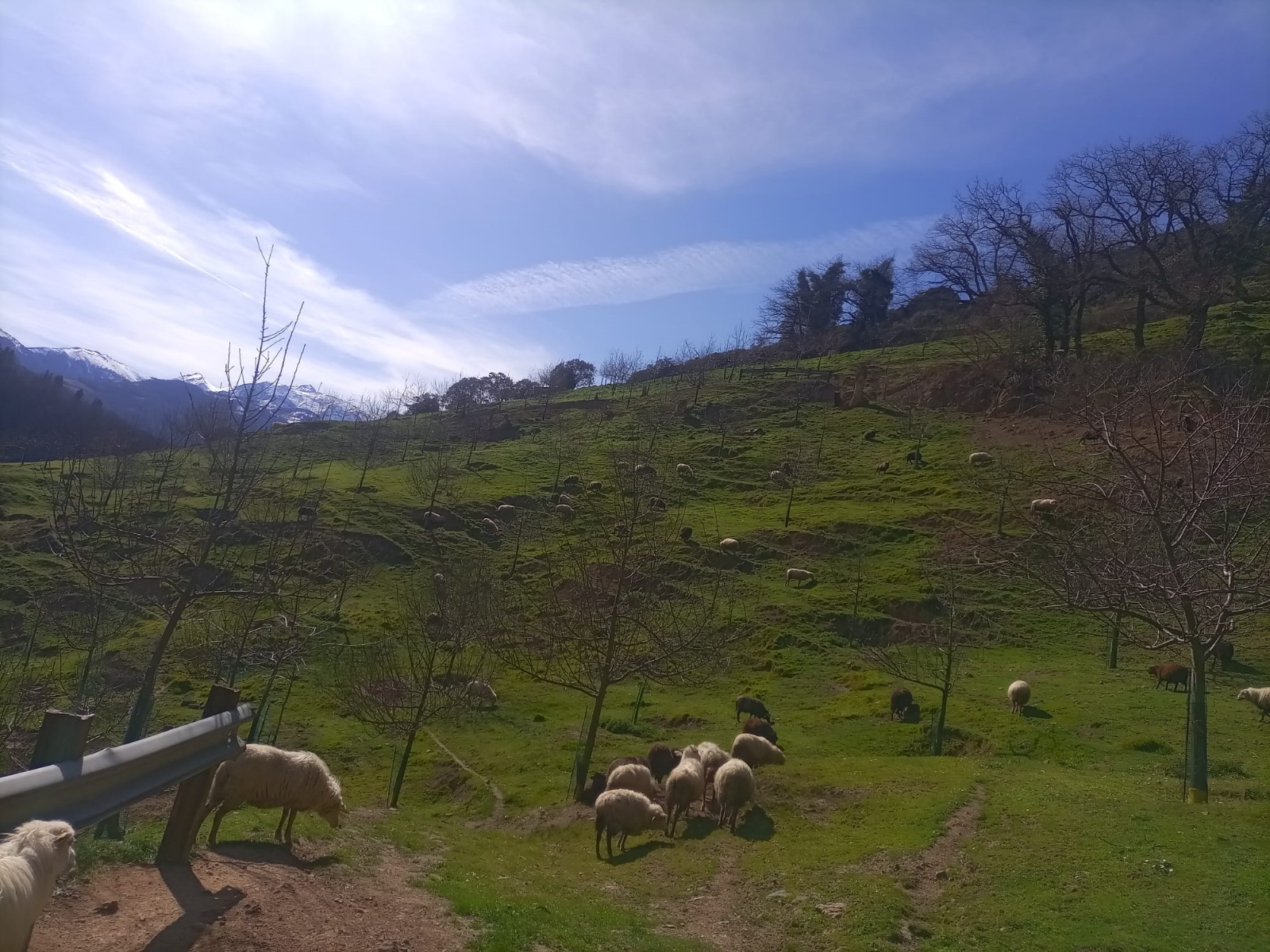
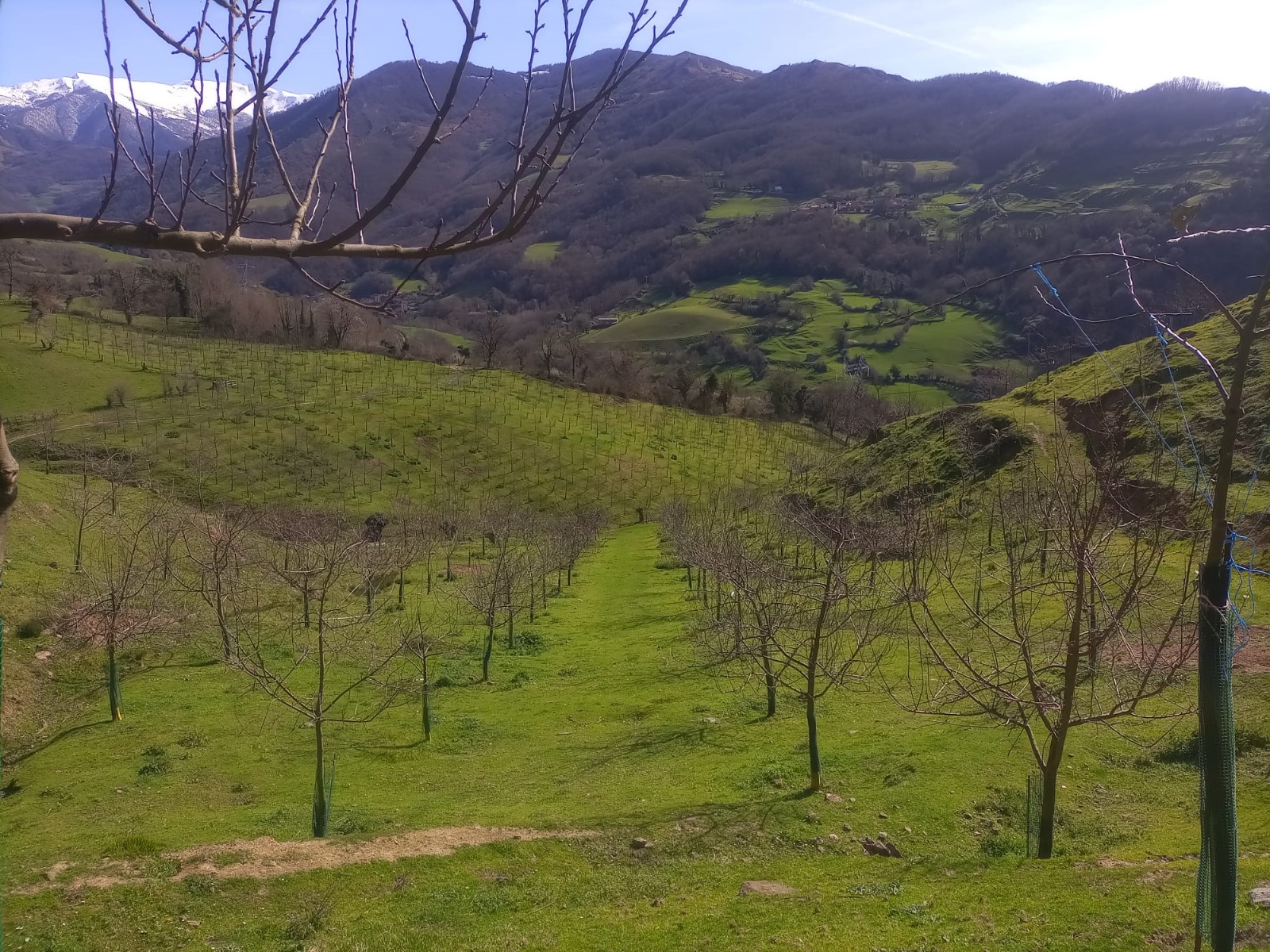
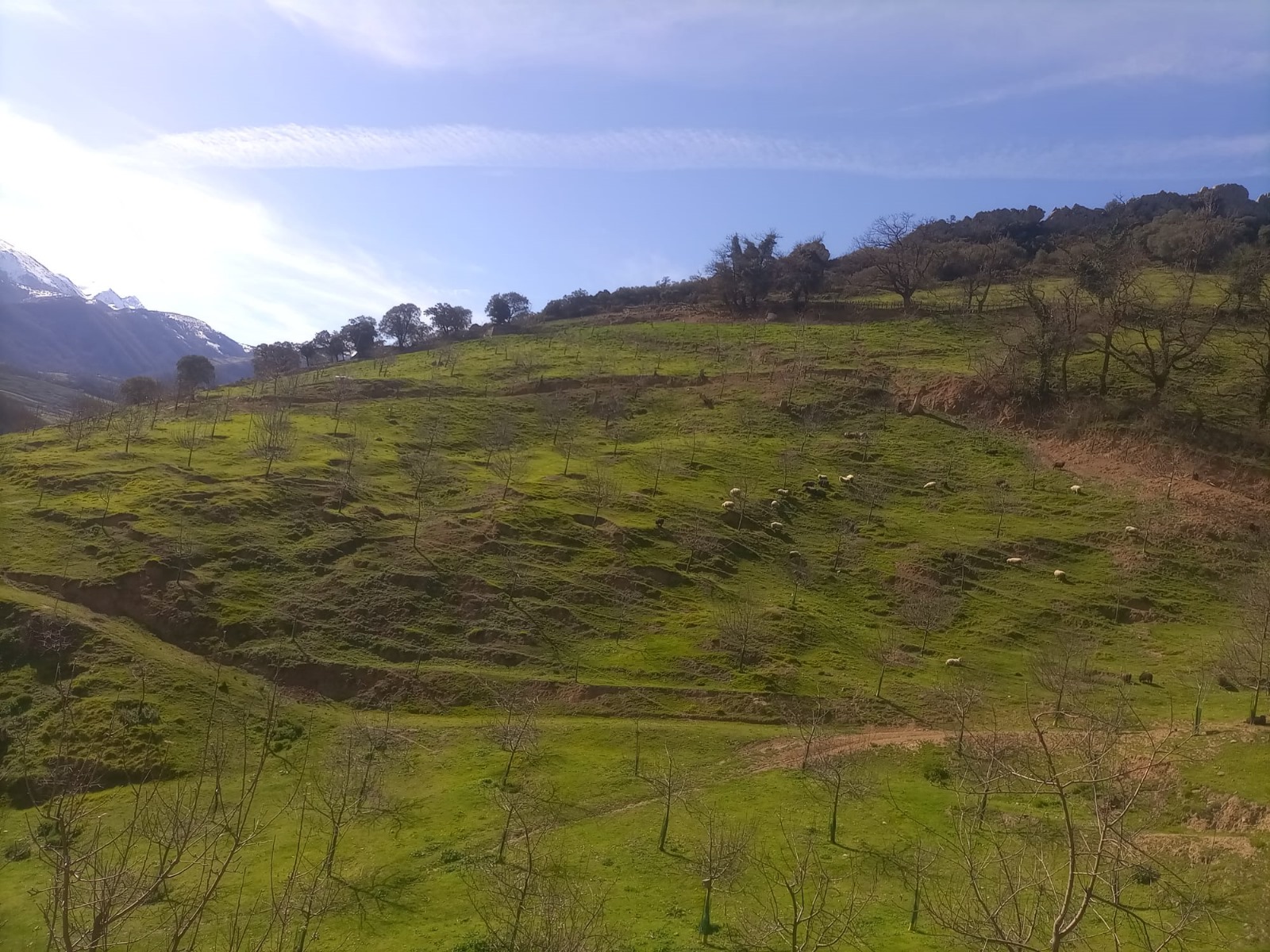
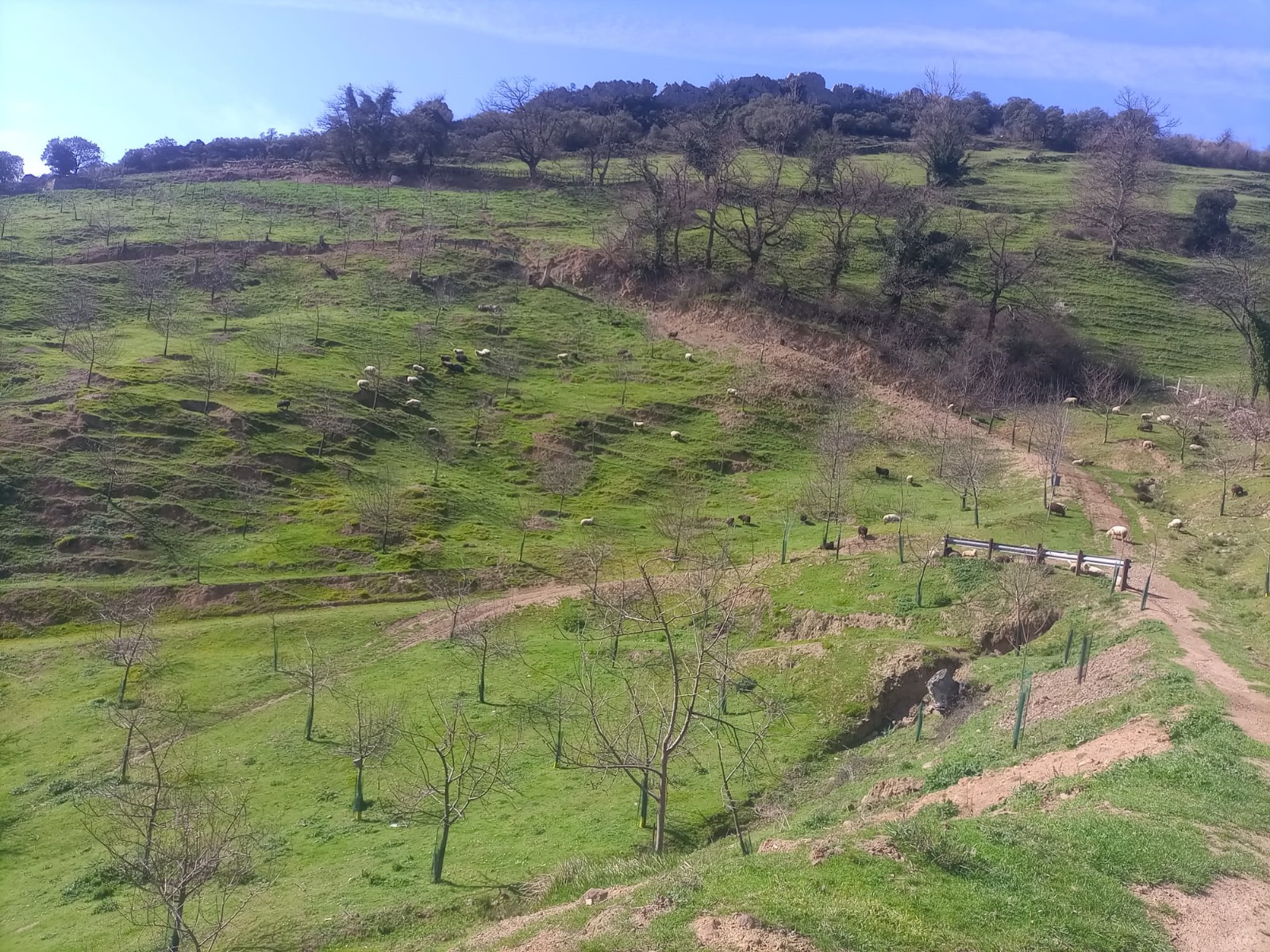
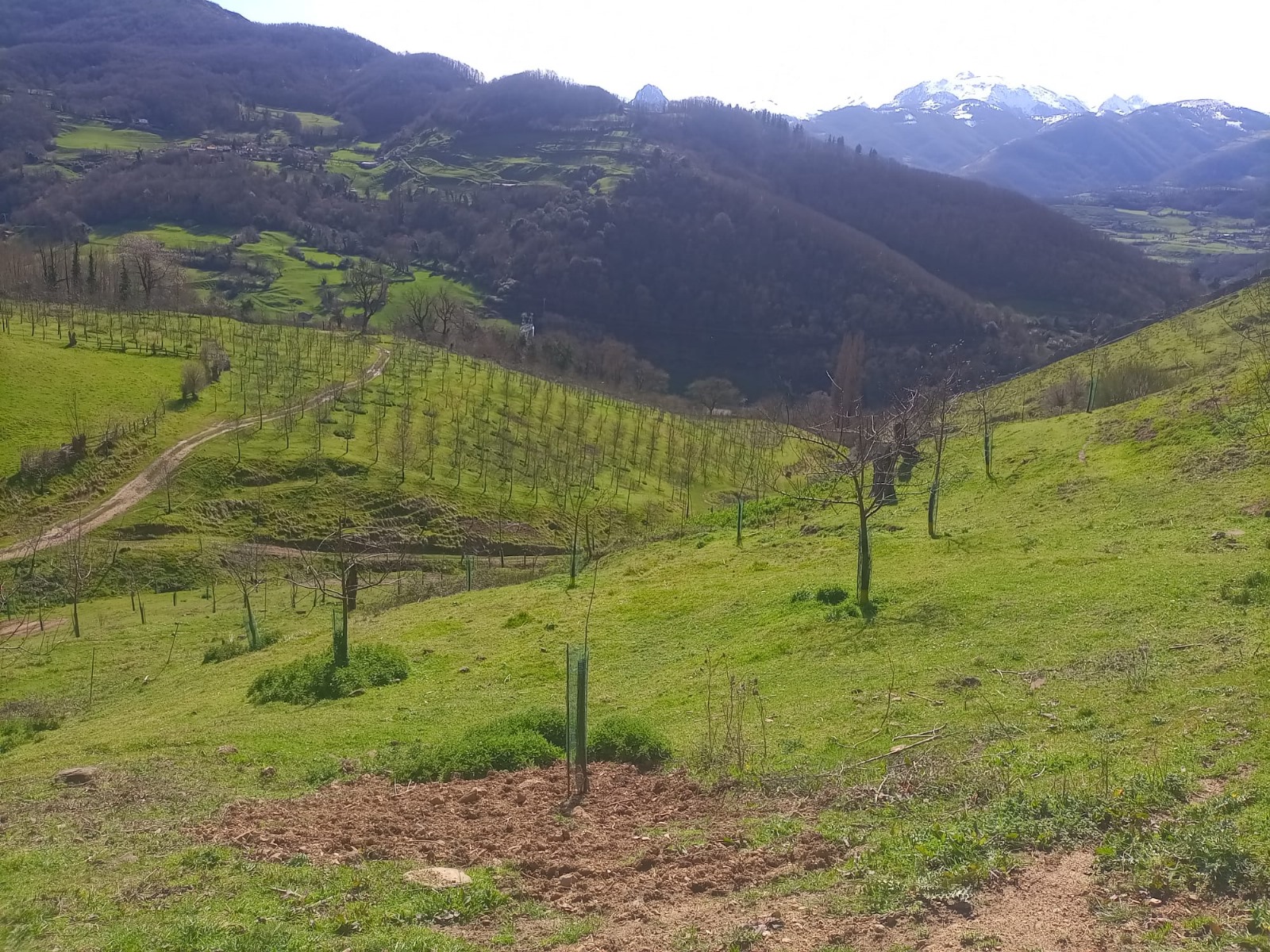
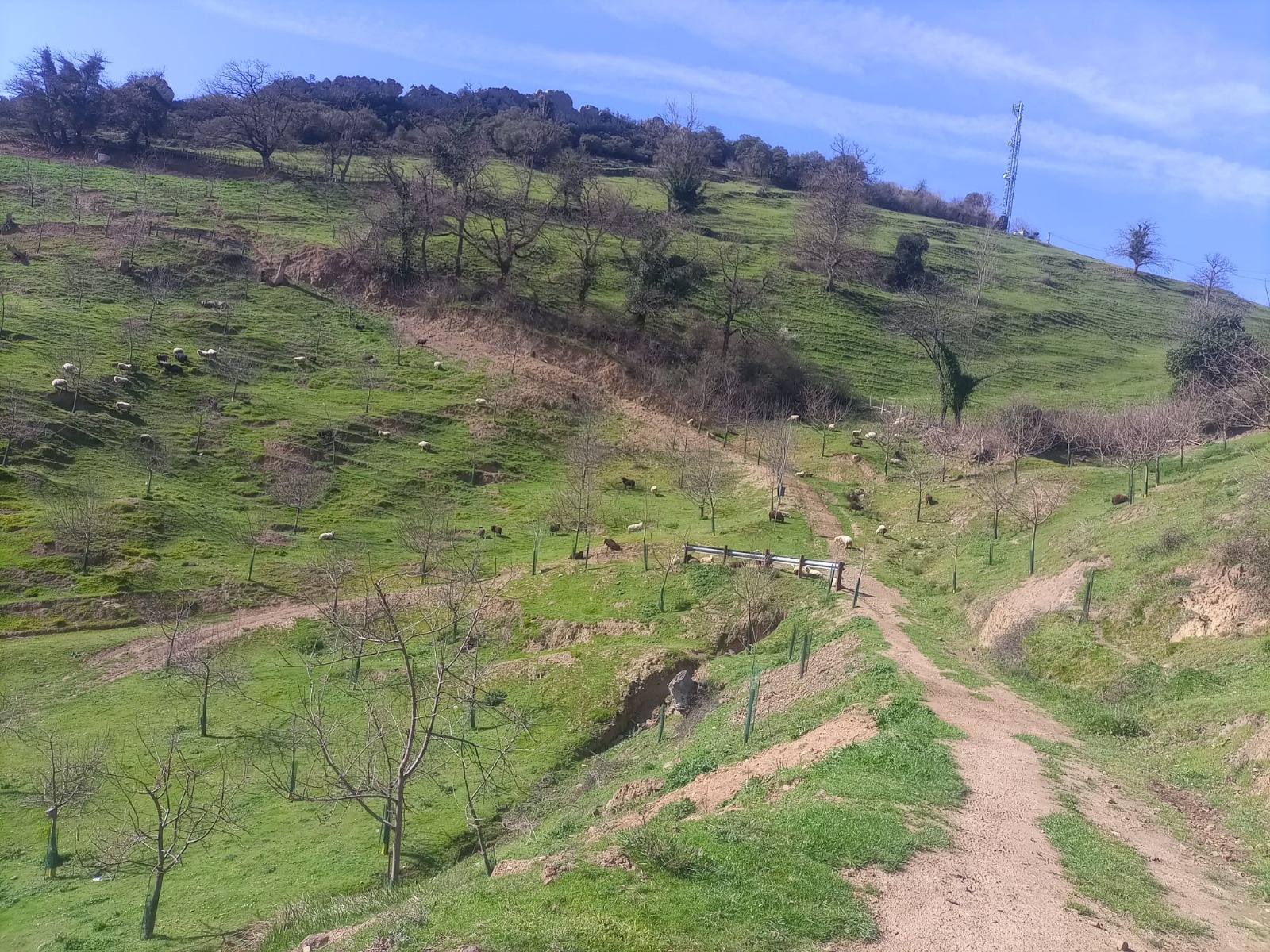
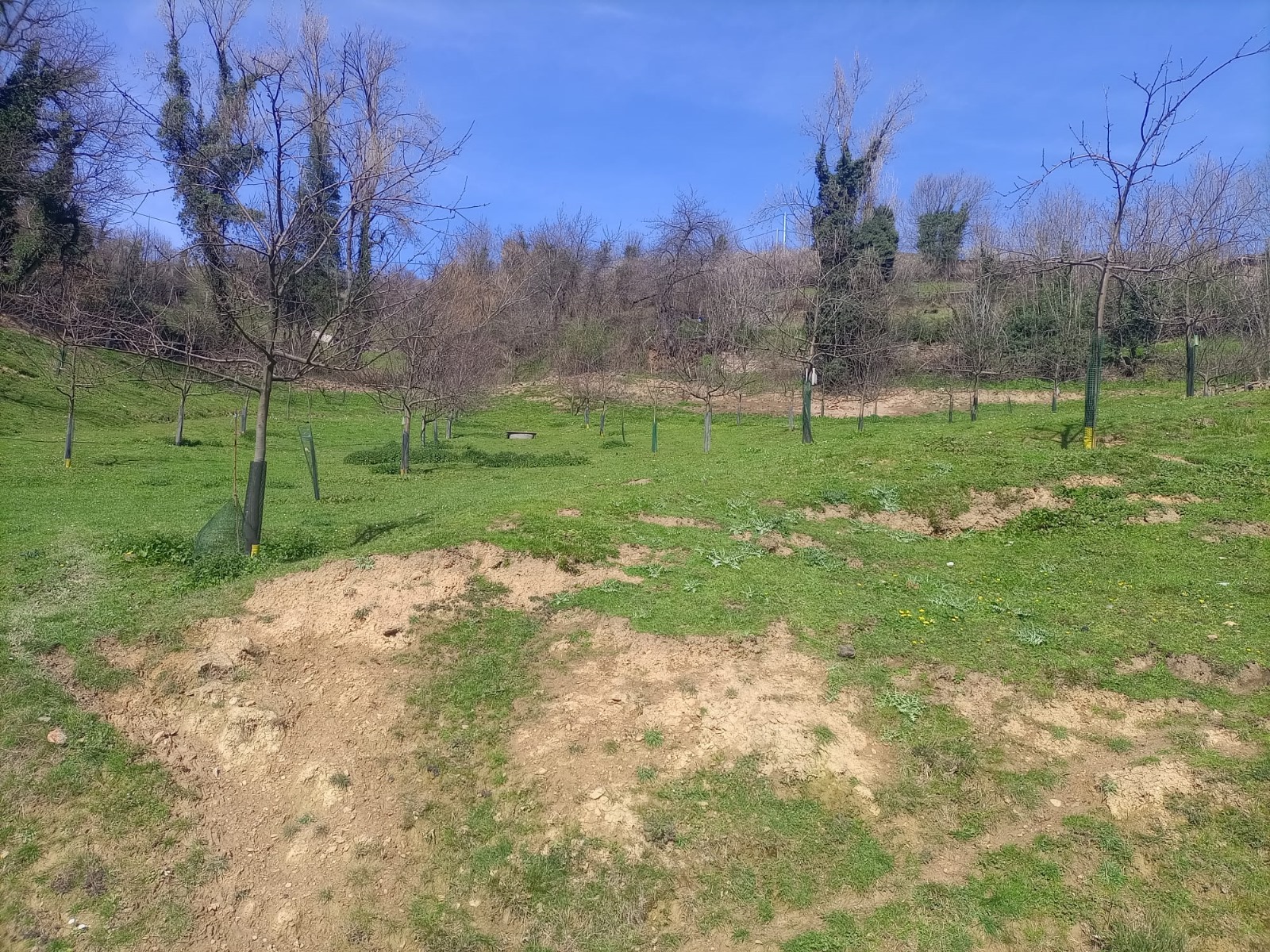
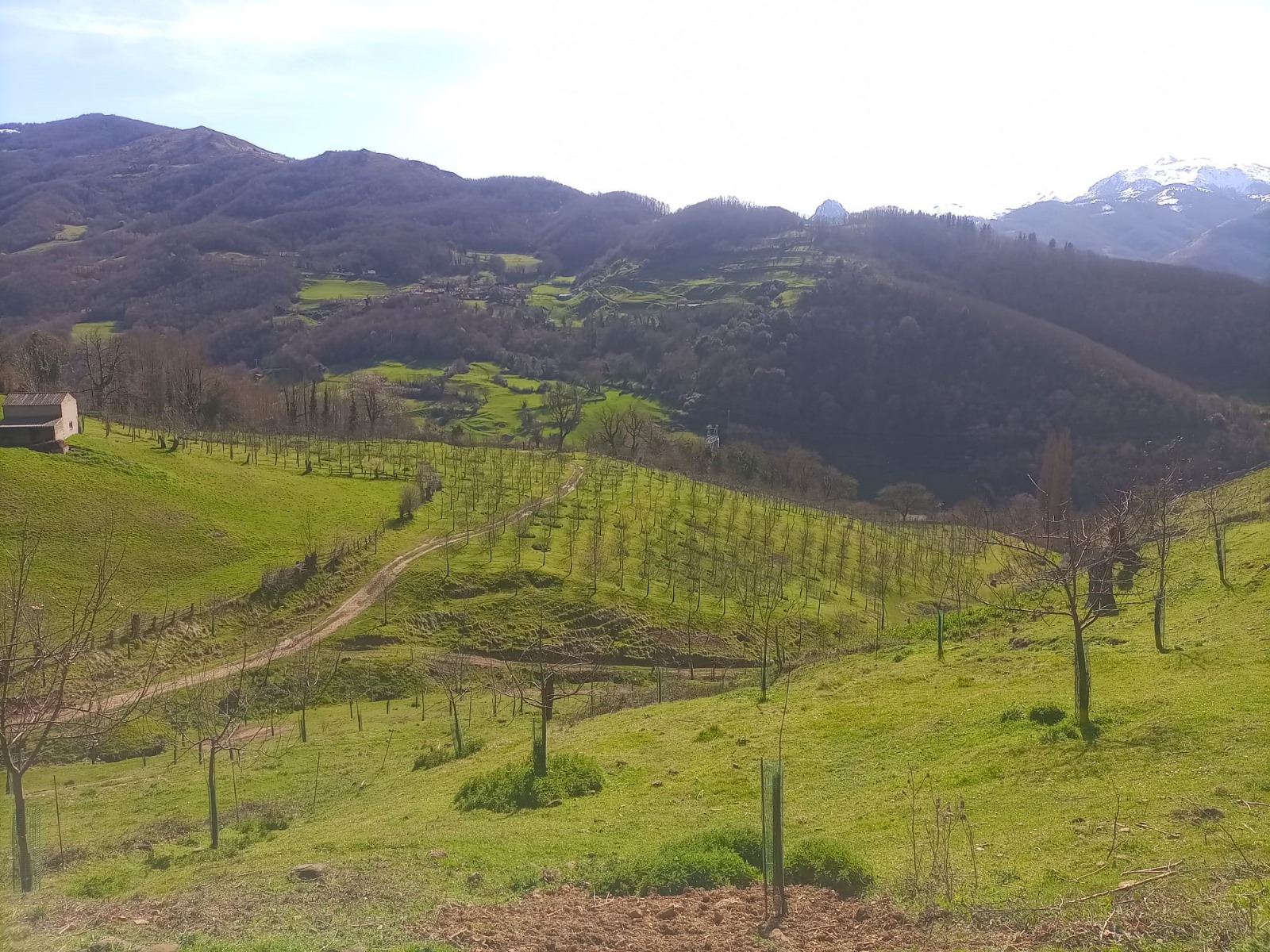
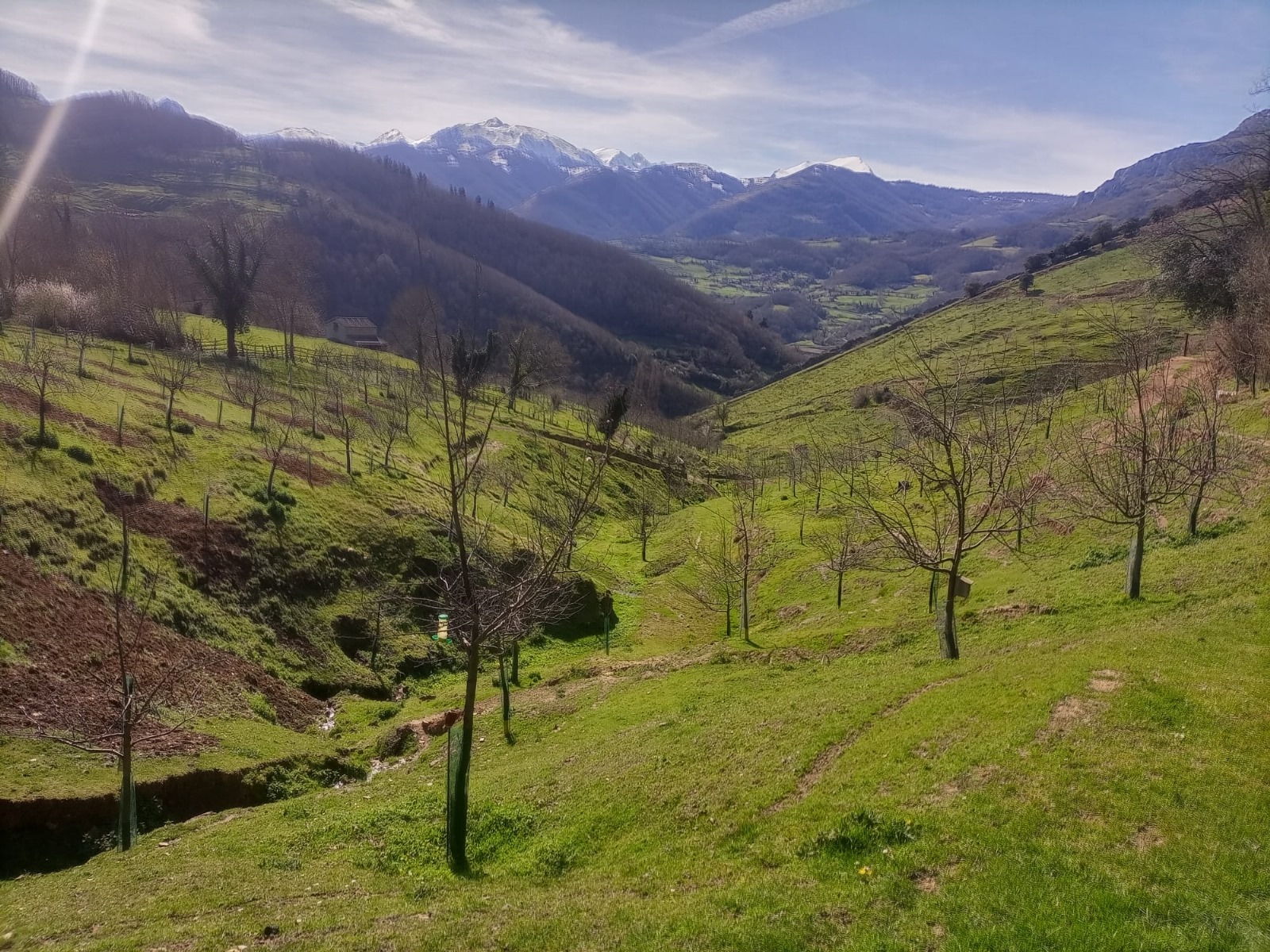
Our farm is a lovely organic cider apple orchard up in the central mountains in the municipality of Lena, in Asturias, northern Spain, 600 meters above sea level.
It was planted about 10 years ago and spans 10 hectares, with two people running the whole place. We mainly grow apples. On top of this, we also keep organic sheep and have beehives for honey. We want to keep things natural, and so we tend to the apple trees by fertilizing, pruning, and harvesting. Also, we take care of our sheep with the help of a mastiff dog by our side. And of course, we manage the hives and collect honey as part of the process.
It’s a small, hardworking farm that blends nature and tradition.
Let’s shift to the GUARDIANS project. You are one of the farms involved in Pilot #4 where technology #2 ODOS Insight – environmental progress, profitability & provenance tool – will be tested. What kind of challenges are you facing on your farm, and what do you hope to achieve with GUARDIANS?
Honestly, I am excited to see how the integration of advanced technology can transform our work. In small farms like mine, the main barrier is the lack of technical data to help make correct decisions. Foliar analysis of soil and health analysis by sections of the farm would be essential for correcting errors.
Specifically, I expect sensors to be used to accurately detect the precise needs for fertilization and irrigation, ensuring that both are applied in the correct amounts. This data-driven approach will help us optimise apple production by minimising waste, reducing resource consumption, and enhancing the overall health of our orchard. By making these processes more efficient, we can achieve the best possible profitability while staying true to our commitment to sustainability and environmental responsibility. GUARDIANS represents a significant opportunity to improve the way we approach farming, helping us pave the way for a more future-ready farm. This initiative allows us to balance cutting-edge technology with the tradition of organic farming.
How do you feel about the use of technology for your daily work? Do you trust the technology you will test in the pilot? And what impact do you think it will have on your daily work?
I have high expectations for the implementation of this technology. It can help me save time, avoid potential mistakes in the treatment of the farm and plan my annual actions and work with confidence.
The great hope is that this technology helps us compare the ideal conditions for apple production and the real conditions on our farm to plan the contributions and work necessary to achieve maximum production.
In general, I hope that AI will be able to provide personal advice to farms like mine. At the moment, mechanisation alone does not provide significant help in some cases. The most traditional harvesting methods remain the safest ones in terms of production.
For example, in apple growing, the development of MM109, a type of semi-dwarf rootstock commonly used for apple trees has not been such a success in mountain areas. The challenge is that the treatments are generic without distinction by variety of plant and without knowledge of which of them is the most adaptable to each terrain. So, the average production per hectare is very low due to these problems.
To conclude, even an online consultation page with all possible problems farmers can encounter would be helpful!
What would you suggest farmers do to approach, understand and potentially evaluate the use of new technologies in the agri-food sector?
Farmers need technologies – and the data produced by technologies – to be accessible. For example, if farmers in my area had the data and the consultation page I have just proposed, their level of profitability would increase significantly, and they would trust technology.
Thank you for this interesting chat, Jesus!
Stay tuned for the next Farm Stories interview.