
GUARDIANS will help small- and medium-sized farms bridge the current technological gap with bigger farms through the implementation of a set of digital innovative solutions.
Today, we interview María from Casa Bartuelo (Spain).
Hi María!
Let’s start with the first question.
What kind of farm is Casa Bartuelo? Tell us more about it.
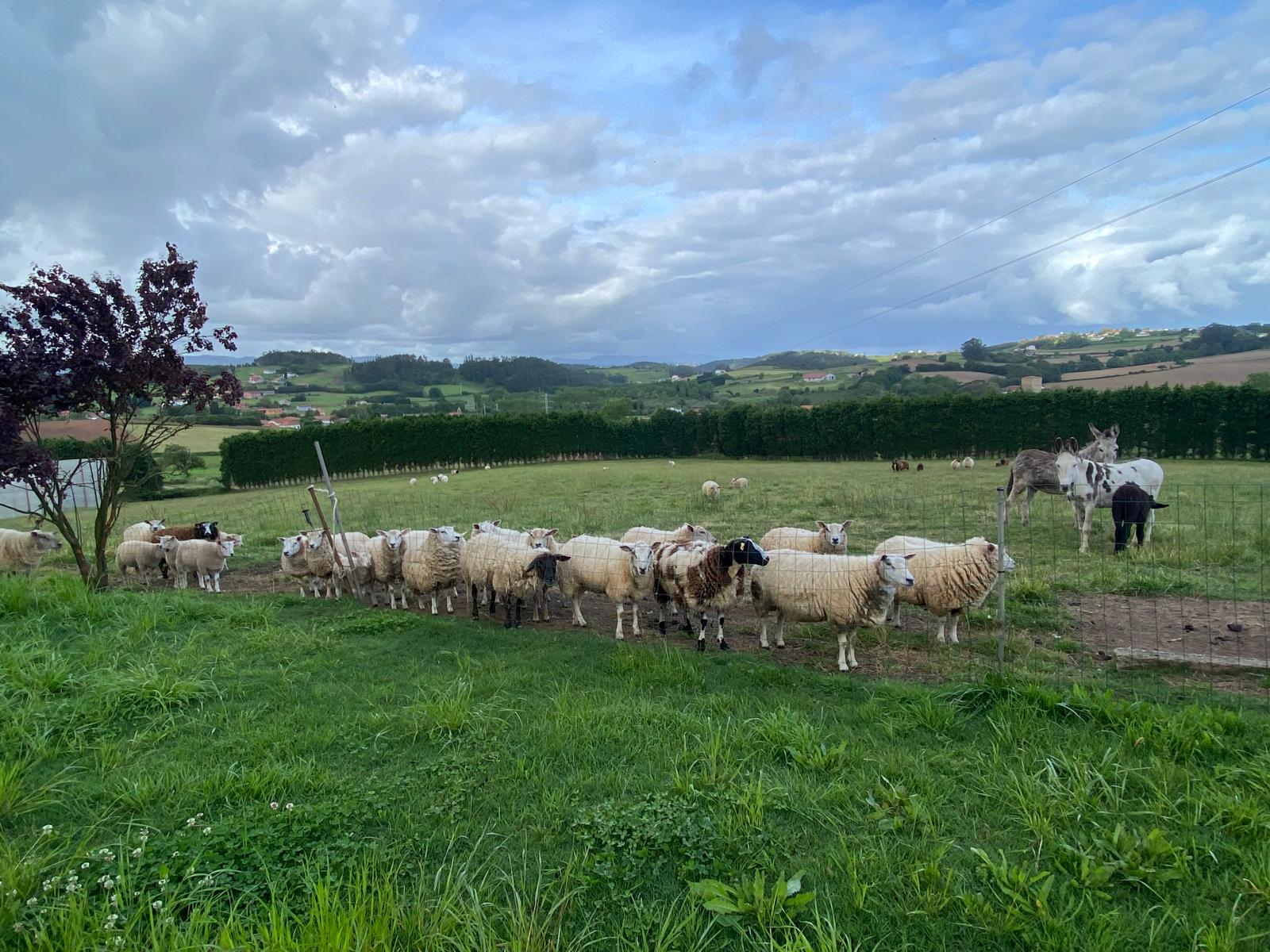
Casa Bartuelo is a family farm located in Asturias, near Gijón, northern Spain.
As in every home and family, we have our own way of life in the village. We value local businesses with their identity, excellent customer service, and we always strive to offer the best produce from our garden, along with the most natural and tender meat.
We are a family with a long tradition of farming and raising livestock, going back at least six generations. Our products were traditionally sold at local markets, primarily at the Monday market in la Plaza in Avilés.
At the end of the last century, we installed the first greenhouses to dry the fabes (Asturian beans), a practice that continues to this day. Over time, we have expanded our cultivated land, now covering 1.5 hectares.
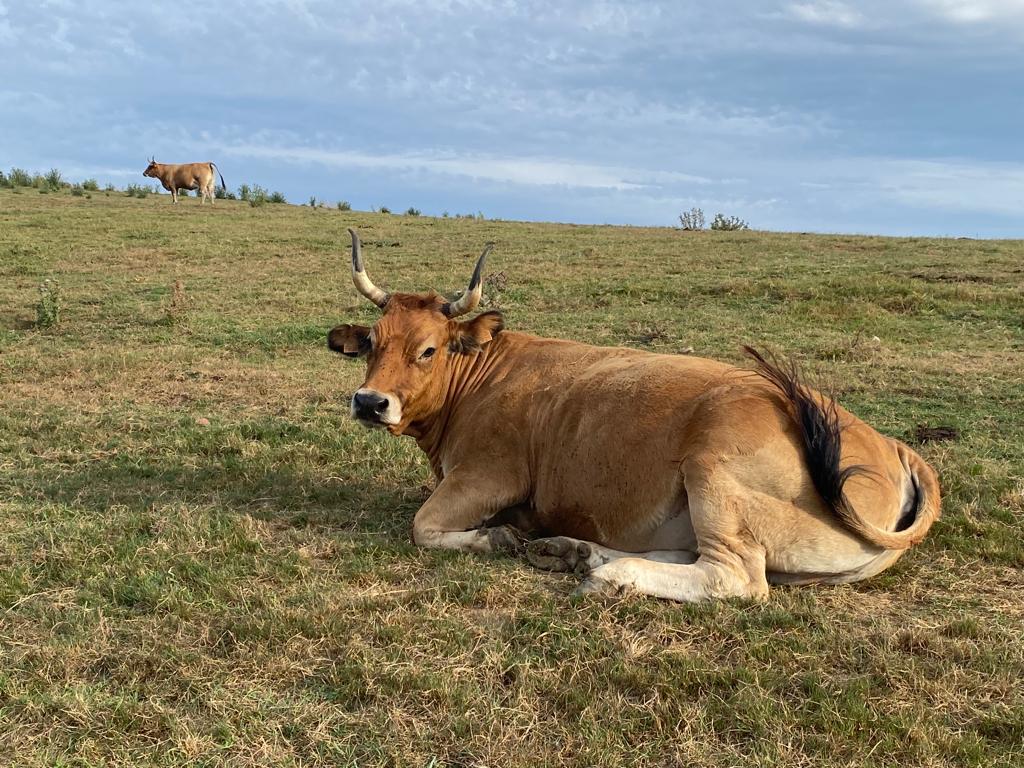
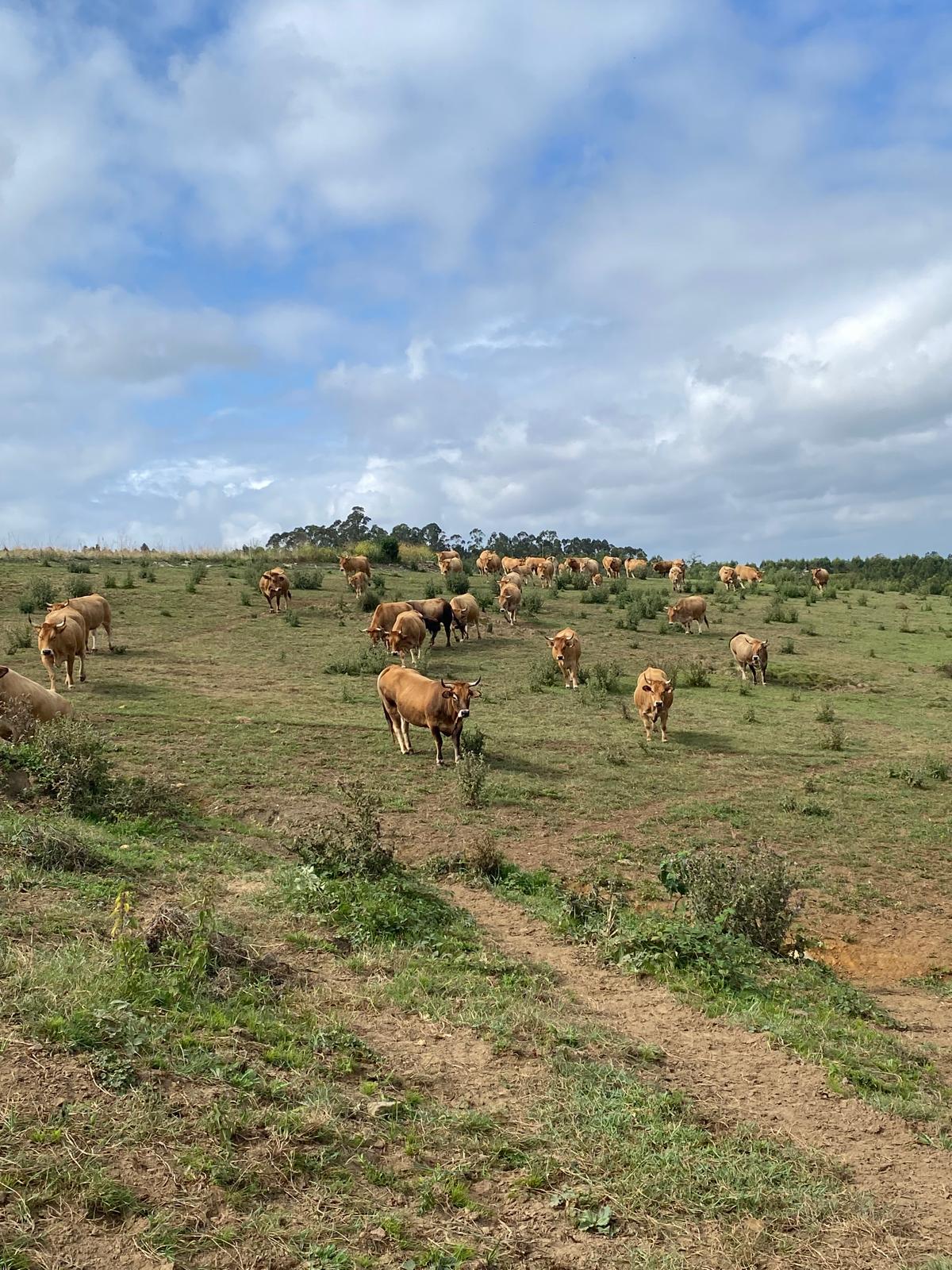
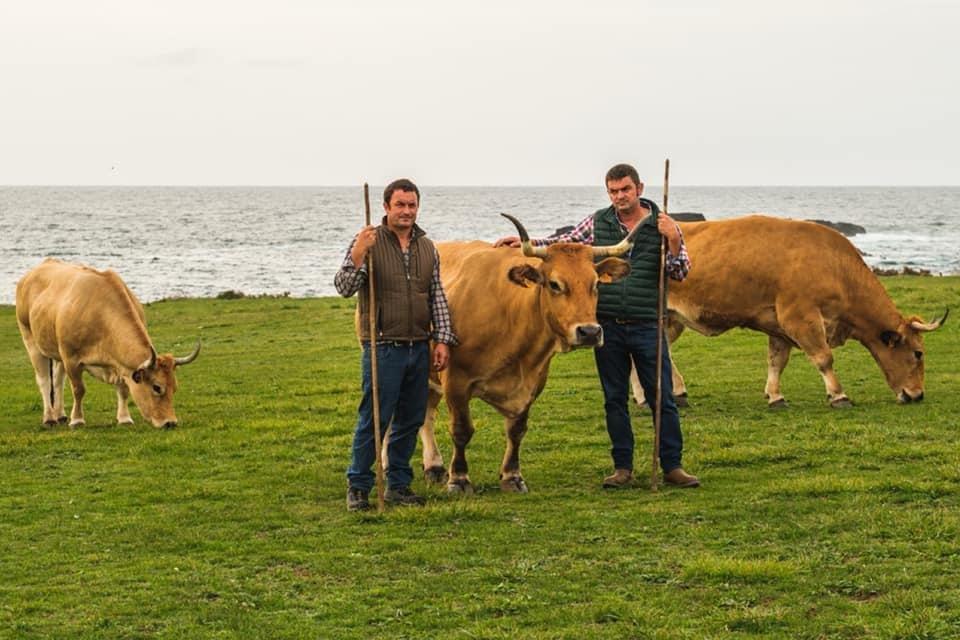
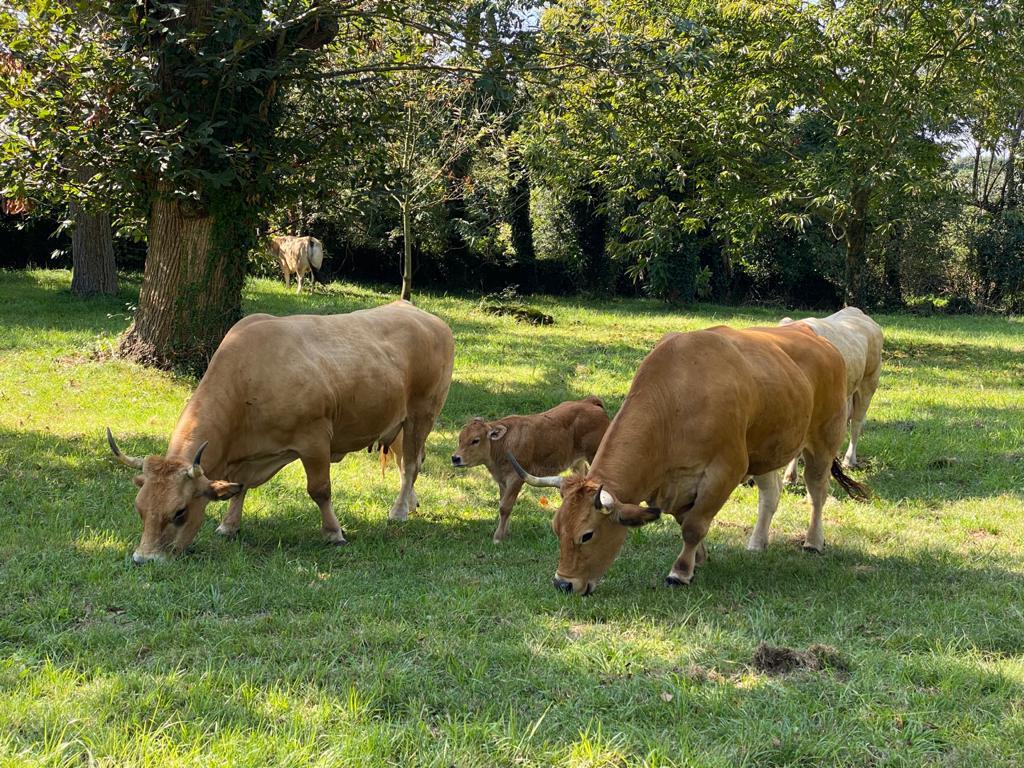
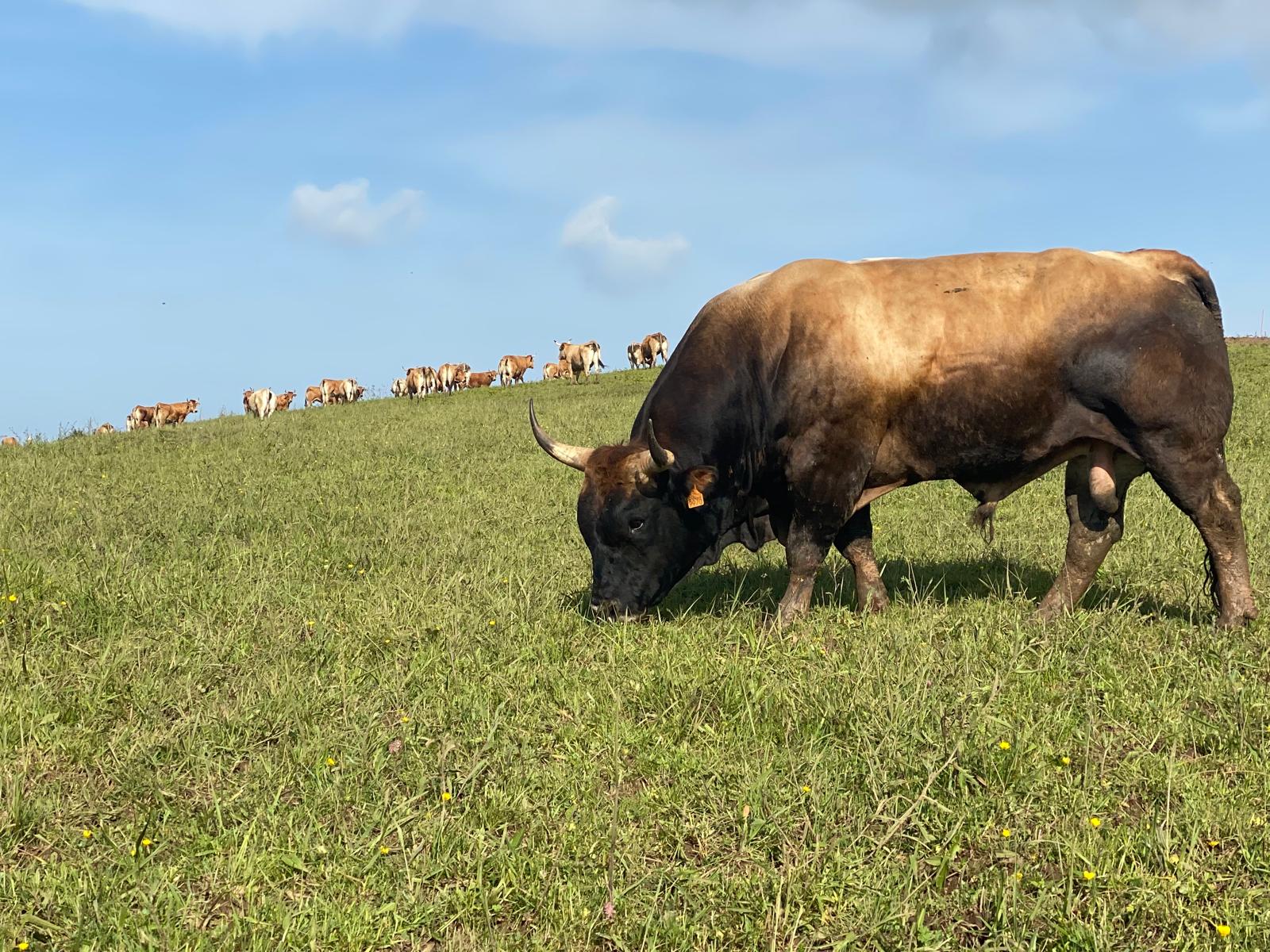
Regarding livestock, we focus on the Asturiana de los Valles breed, an indigenous breed that is perfectly adapted to the region and known for its excellent meat quality, especially its flavour and tenderness.
Five family members work directly in the business, with another two involved in administration and the cutting room, and three working in agriculture. In total, we employ ten people throughout the year in various roles.
Our mission, every day, is striving to improve our management, as well as feeding practices and marketing.
Tell us more about your core activities.
We have an agricultural section dedicated to growing corn for silage and ryegrass for both silage and grazing, which is used to feed our livestock.
Additionally, we cultivate seasonal vegetables for human consumption, both inside and outside of greenhouses, including tomatoes, lettuce, peppers, and more. We also grow Asturian Faba and Verdina, traditional beans from our region.
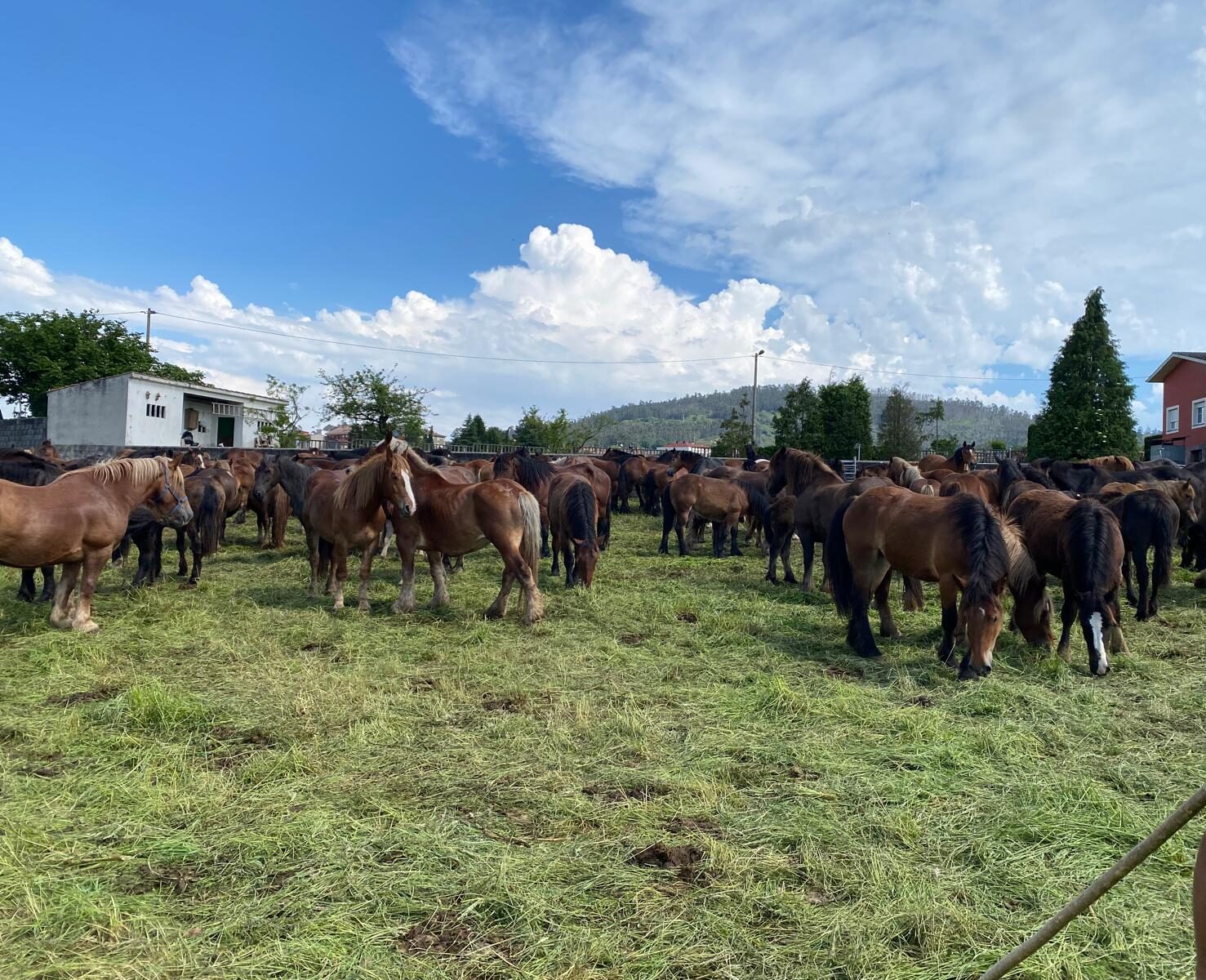
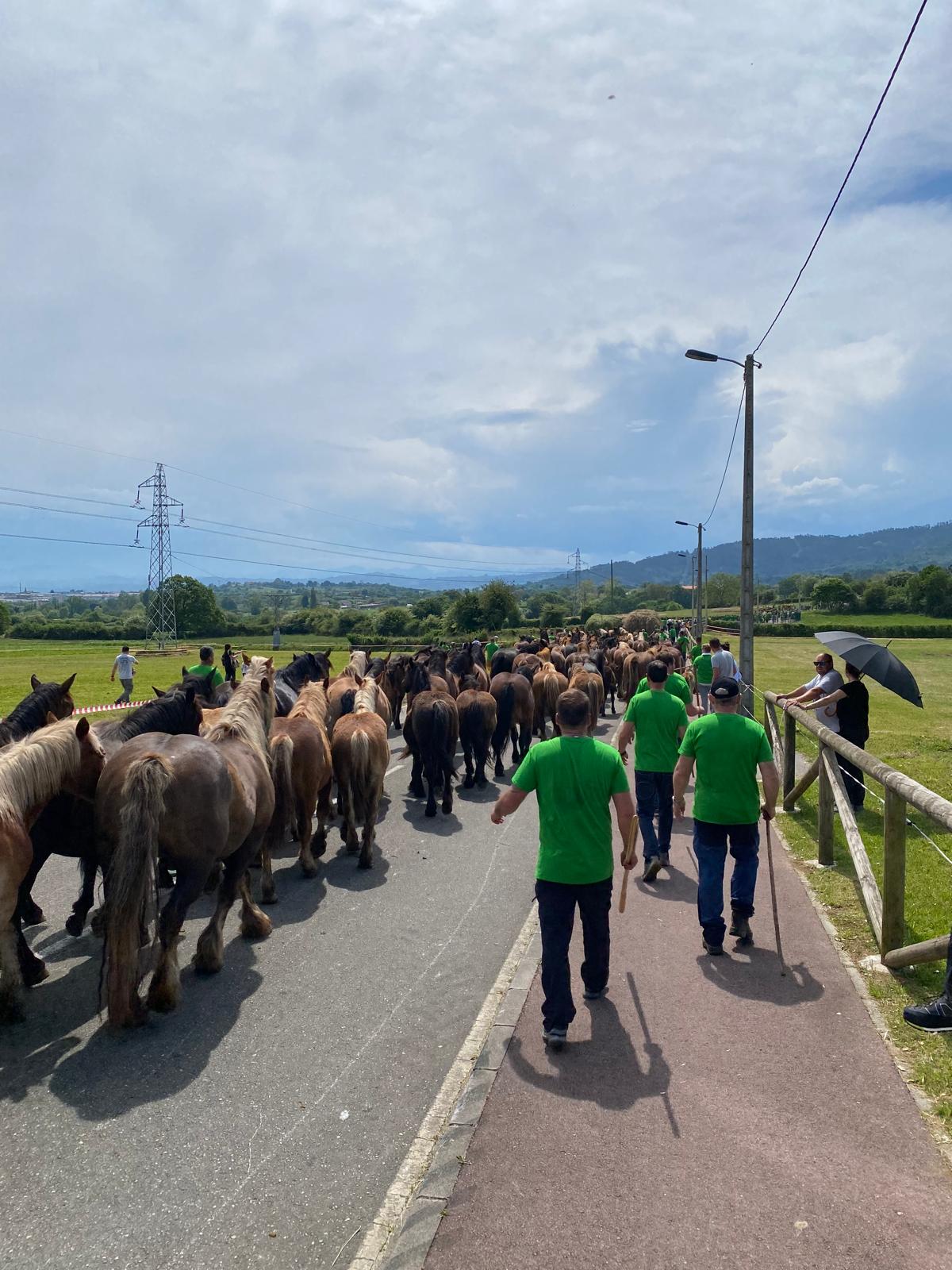
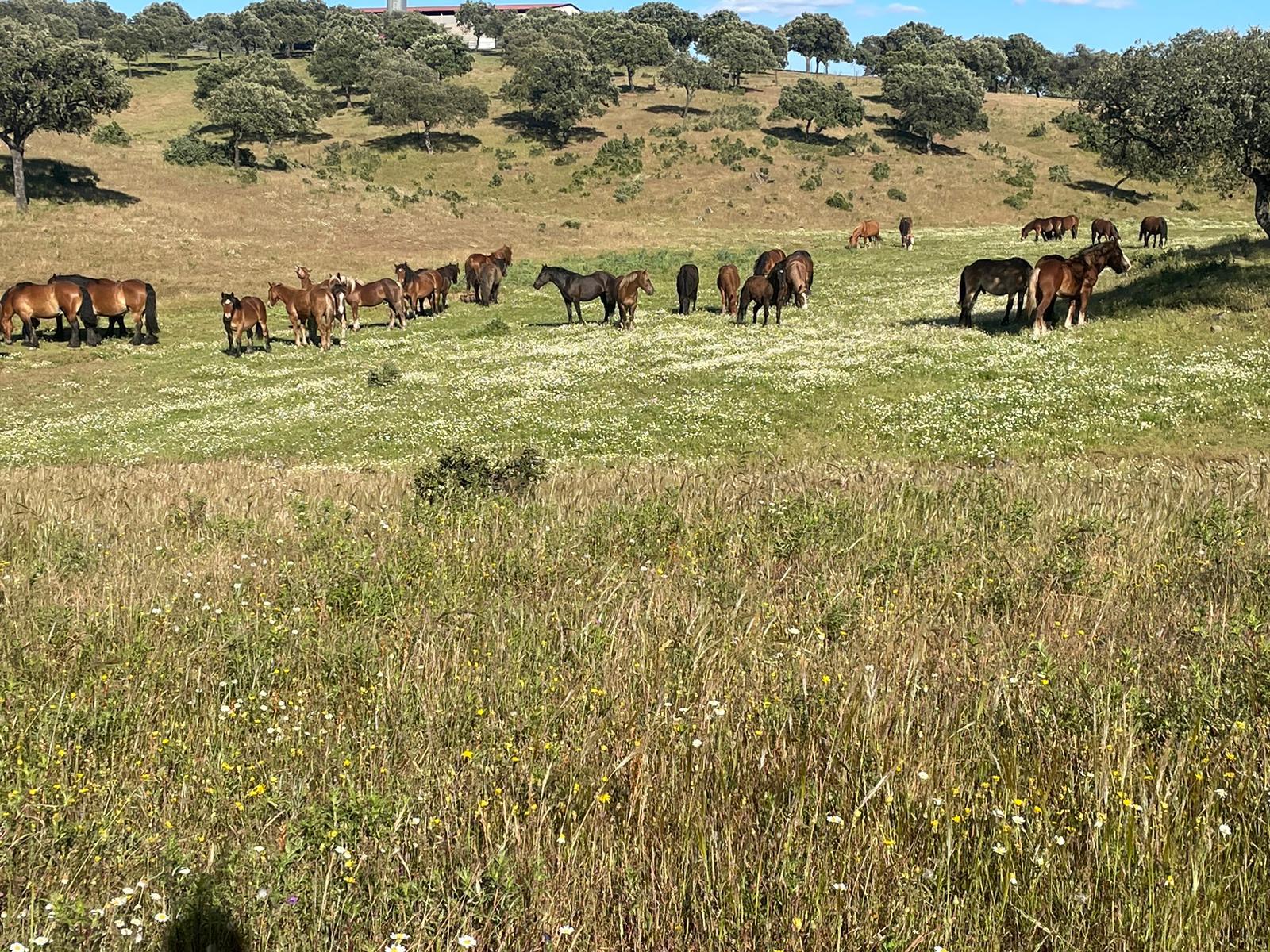
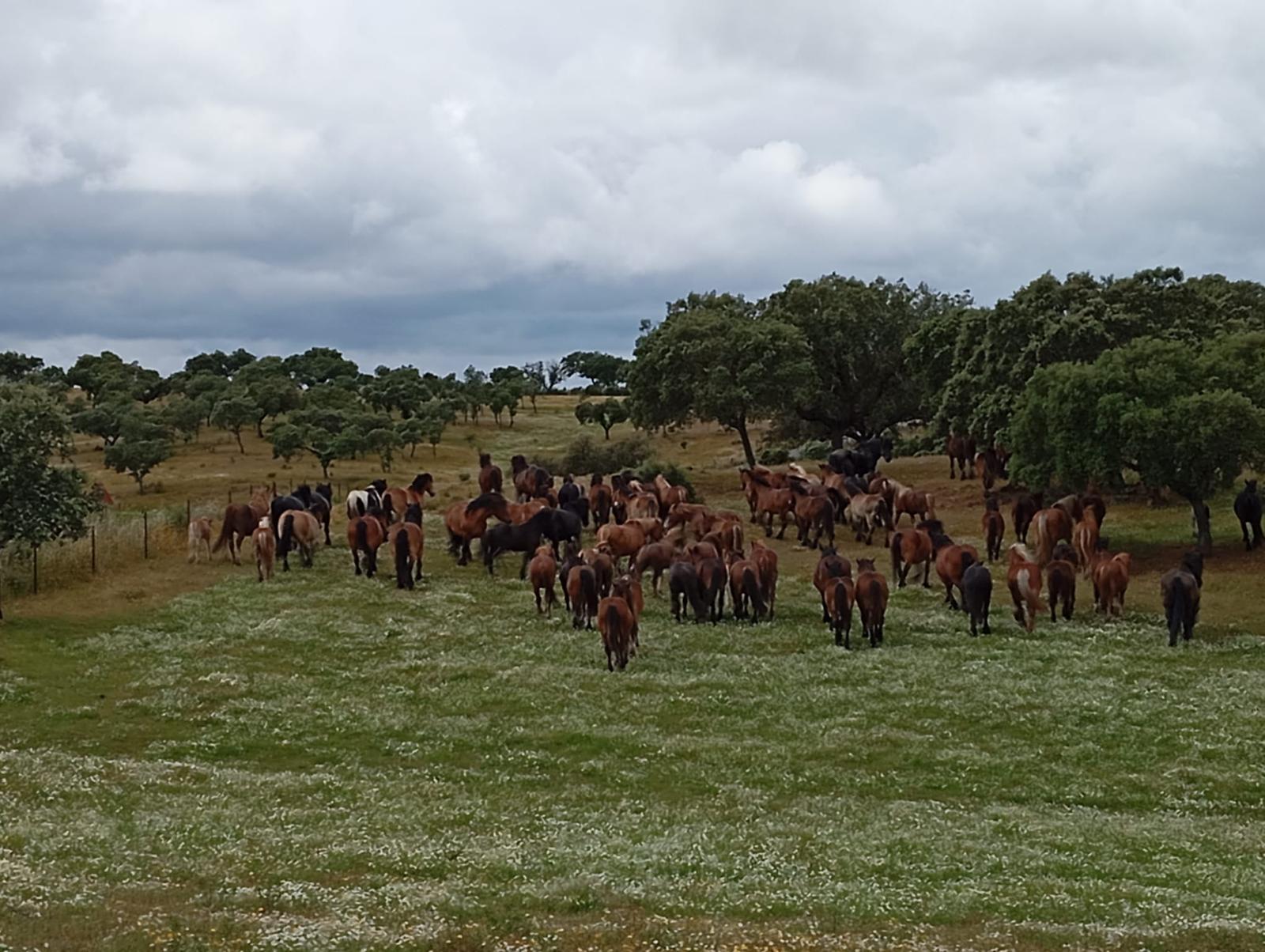
In our livestock activities, we raise cattle of the Asturiana de los Valles breed to produce high-quality meat through the fattening of calves and older cattle. We also keep horses, which are used for grazing management and for raising foals.
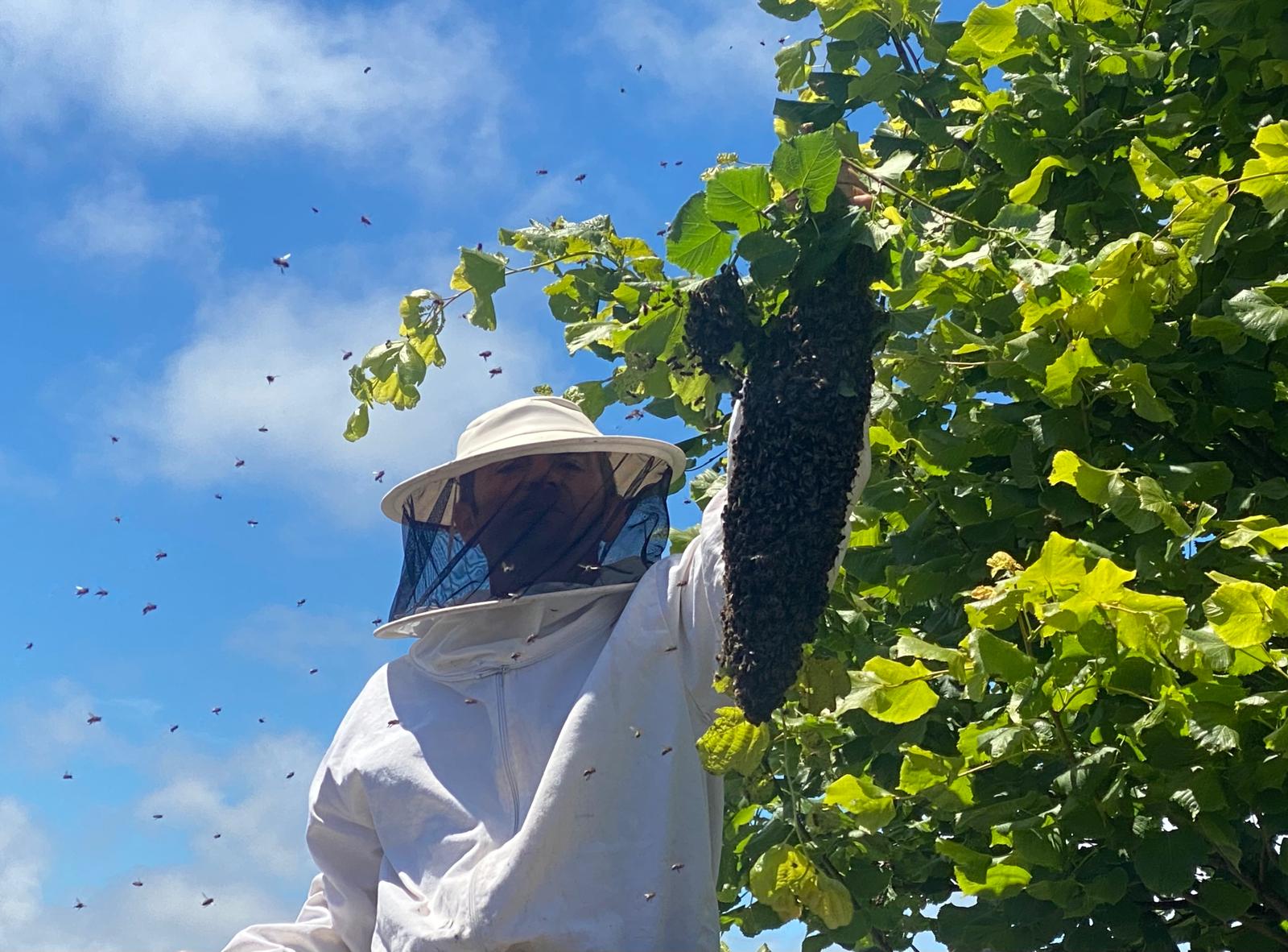
We have bees on the farm, which help pollinate the crops and produce honey that we enjoy at home.
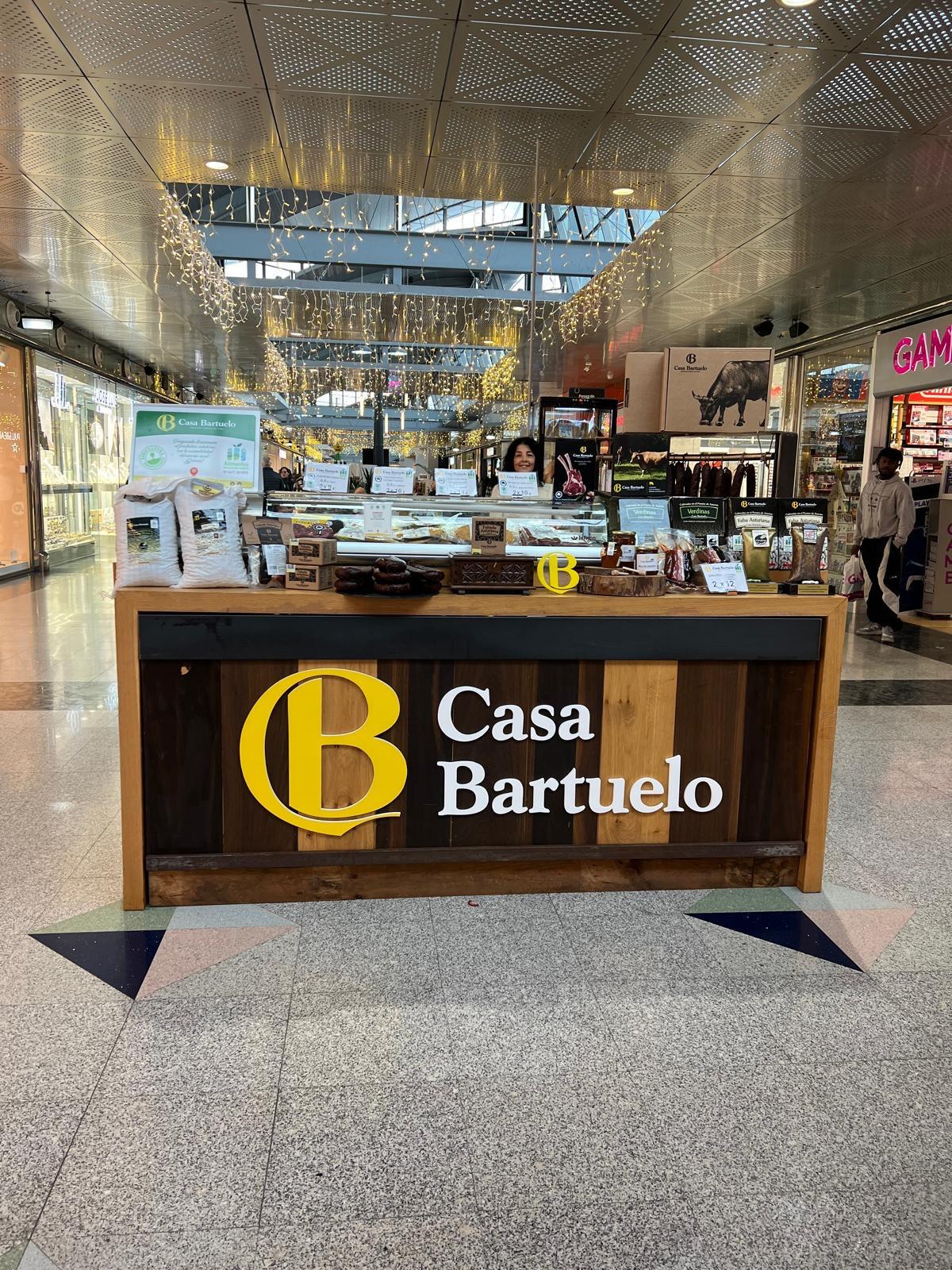
We have our own cutting room where we prepare and package our products for direct sale to consumers through our website. We also sell carcass meat and live animals to intermediary buyers.
Additionally, we attend local markets on different days of the week to sell vegetables directly to customers.
Let’s shift to the GUARDIANS project. You are one of the farms involved in Pilot #5 where technology #9 Chainspector – a blockchain-based environmental valorisation system – will be tested. What kind of challenges are you facing on your farm, and what do you hope to achieve with GUARDIANS?
We value initiatives that demonstrate the quality of what we produce and help highlight the value of the food we offer and the way we produce it.
We want to reach the final consumer and provide a sense of closeness and transparency, no matter where they are.
We believe that GUARDIANS can offer some great solutions to help achieve this.
How do you feel about the use of technology for your daily work? Do you trust the technology you will test in the pilot? And what impact do you think it will have on your daily work?
Honestly, I must admit that daily tasks leave us little room for using complex technologies. Yet, we know that precisely the use of technologies can make our tasks simpler. It’s a vicious circle.
Actually, we do trust the technology developed in GUARDIANS and expect it to have a positive impact on the development of daily work and on the marketing of our products.
For small- and medium-sized farms to be competitive in the global market, it is crucial to bridge the current technological gap with bigger farms. What are the current barriers in your opinion? What do you think is necessary to improve for more farmers to approach innovative and sustainable farming practices?
In our case, the relationship with the administration and the management of all the documents related to our daily activities is very hard. This is the main barrier.
We believe it is essential to simplify these processes by leveraging available technologies to streamline operations, reduce workload and save time.
Our goal is to have a virtual one-stop platform where we can complete procedures and simplify bureaucracy.
And, on the other hand, what would you suggest farmers do to approach, understand and potentially evaluate the use of new technologies in the agri-food sector?
In today’s digital age, it’s essential to embrace technology for greater efficiency.
We encourage farm owners to be informed about digital tools and telematics applications and use them to interact with the administration, as this can significantly reduce administrative burdens and save time.
Thank you for this inspiring chat, María!
This was the last Farm Stories interview. Thank you to everyone who followed our Farm Stories series.
Stay tuned, as Farm Stories will be back soon with a second season, ready to share more unique and fascinating experiences, along with insights into the technologies as the project progresses.