GUARDIANS will help small- and medium-sized farms bridge the current technological gap with bigger farms through the implementation of a set of digital innovative solutions.
Today, we interview Martin from Fållnäs Gård (Sweden).
Hi Martin!
Let’s start with the first question.
What kind of farm is Fållnäs Gård? Tell us more about it and your core activities.
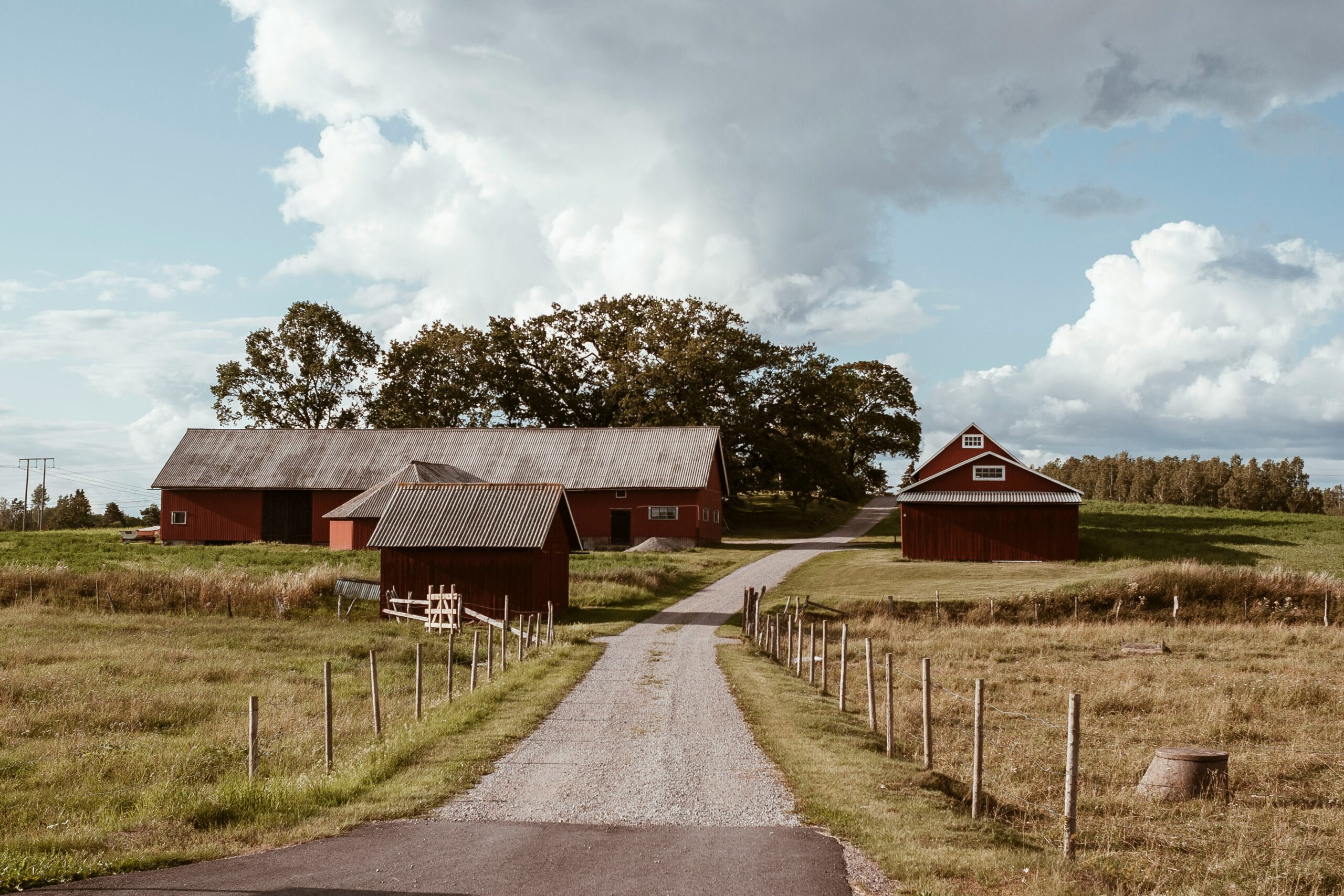
The farm is located in Ösmo, central Sweden, slightly south of Stockholm, and spans approximately 1500 hectares.
It has been family-owned for many years, during which we have been engaged in both crop farming and wildlife management.
As a family-run business, the farm is managed by one farmer and supported by one hunter/gamekeeper.
The farm has a long history of maintaining a balance between agriculture and wildlife conservation and a harmonious relationship with the surrounding nature.
While the main focus is on cereal production, we also operate a small farm shop where locals can purchase a variety of products, including fresh produce and locally sourced meat from hunting activities.
Let’s shift to the GUARDIANS project. You are one of the farms involved in Pilot #3 where technology #6 Wildlife Herd – drones for field protection and wildlife management – will be tested. What kind of challenges are you facing on your farm, and what do you hope to achieve with GUARDIANS?
Honestly, we are facing significant challenges in managing wildlife damage to the crops. To mitigate this, we have to invest a considerable amount of time – approximately 200 hours each year – walking the fields to scare away animals, which is also physically demanding. This ongoing effort is crucial in preserving the crops, but it often detracts from other farm tasks.
This is where the innovative technology Wildlife Herd – I hope – comes into play. We hope to improve the wildlife control efforts more efficiently, freeing up valuable time for other essential tasks. The integration of this tech is seen as a major step forward in balancing agricultural productivity with sustainable wildlife management.
We look forward to seeing how this technology can help us! This is much appreciated.
How do you feel about the use of technology for your daily work? Do you trust the technology you will test in the pilot? And what impact do you think it will have on your daily work?
I am totally confident in the technology. It helps a lot in improving the overall efficiency of your activity.
And I feel that the one we will test will aid us a lot. We now do everything manually, including repelling, our most challenging activity, which is both physically exhausting and time-intensive. By incorporating this technology, we expect to significantly reduce the time and effort spent on wildlife management, allowing us to focus more on other aspects of the farm.
To conclude, what would you suggest farmers do to approach, understand and potentially evaluate the use of new technologies in the agri-food sector?
Projects like these are exactly the kind of opportunities that can make a significant difference for us as farmers. When companies reach out or when we have the chance to connect with tech providers who are developing solutions tailored to our needs, it opens up new possibilities for improving our operations.
The potential of advanced technology to address complex challenges, such as wildlife damage, is incredibly exciting. If a technology can help reduce wildlife-related crop damage by up to 90%, it will be a game changer.
As more farmers experience the benefits of such innovative technologies, the adoption of these solutions will likely grow. When the technology proves its effectiveness in significantly reducing damage and increasing efficiency, it will encourage more farmers to seek out and implement similar tools.
Thank you for this enriching chat, Martin!
Stay tuned for the next Farm Stories interview.
Photo by Alex Kotomanov on Unsplash