
GUARDIANS will help small- and medium-sized farms bridge the current technological gap with bigger farms through the implementation of a set of digital innovative solutions.
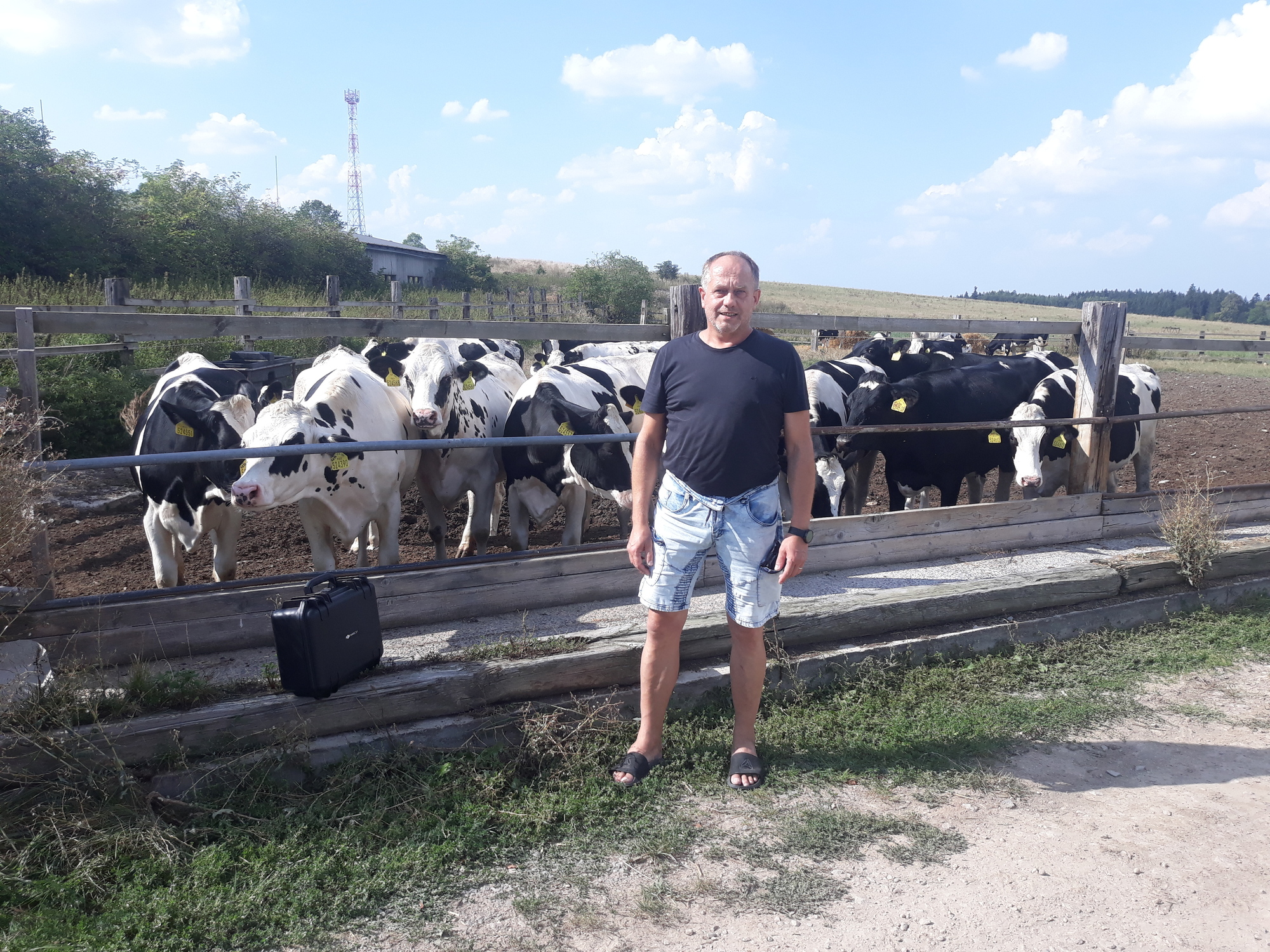
Today, we interview Josef from ZD KVETNA (Czechia).
Hi Josef!
Let’s start with the first question.
What kind of farm is ZD KVETNA? Tell us more about it.
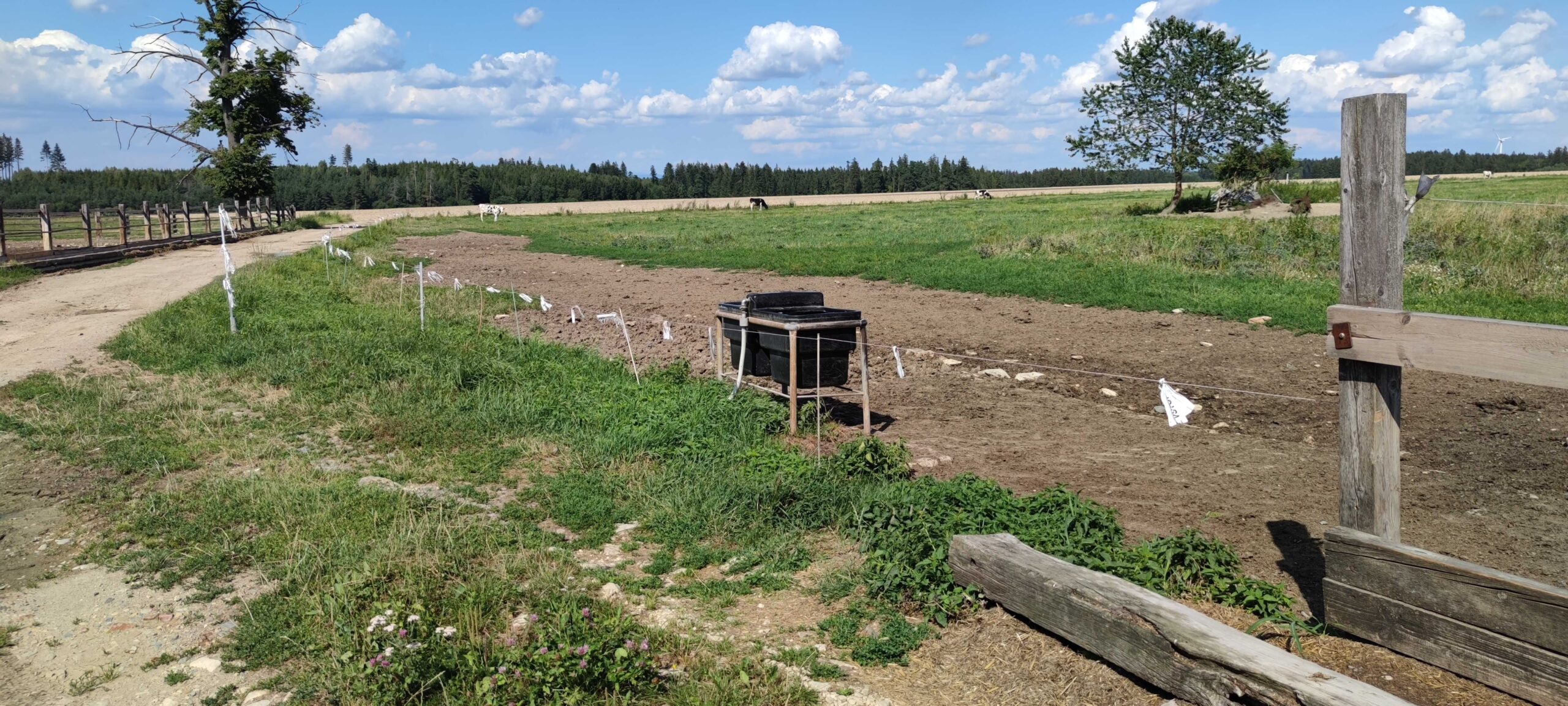
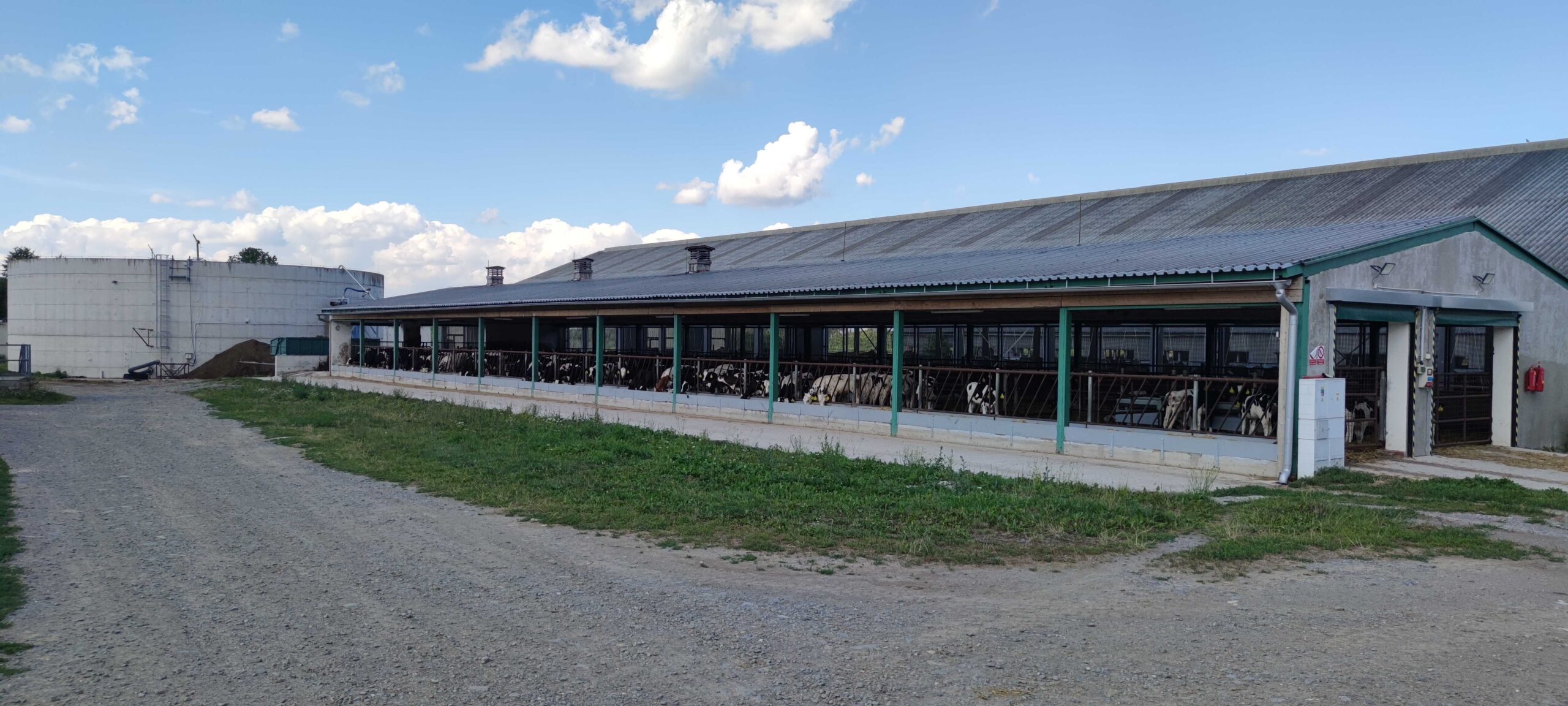
The farm is located in Kvetna, a small village near Policka, some 150km east of Prague (Czechia). It covers an area of 500 hectares.
It was established in 1992, and in 2010, Agrodruzstvo Sebranice became the majority owner.
At the moment, we are a total of 5 people working in the farm, including 4 livestock keepers and 1 zoo technician.
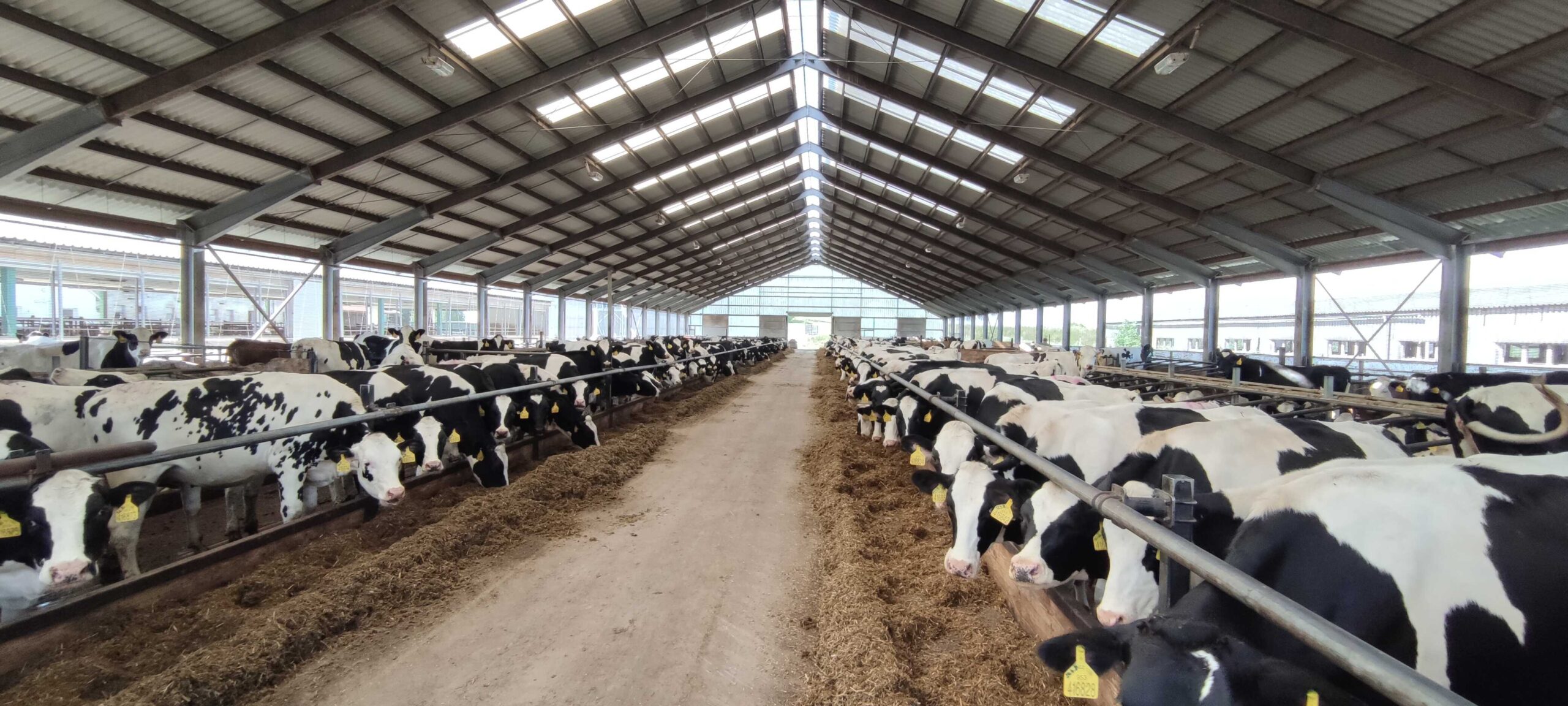
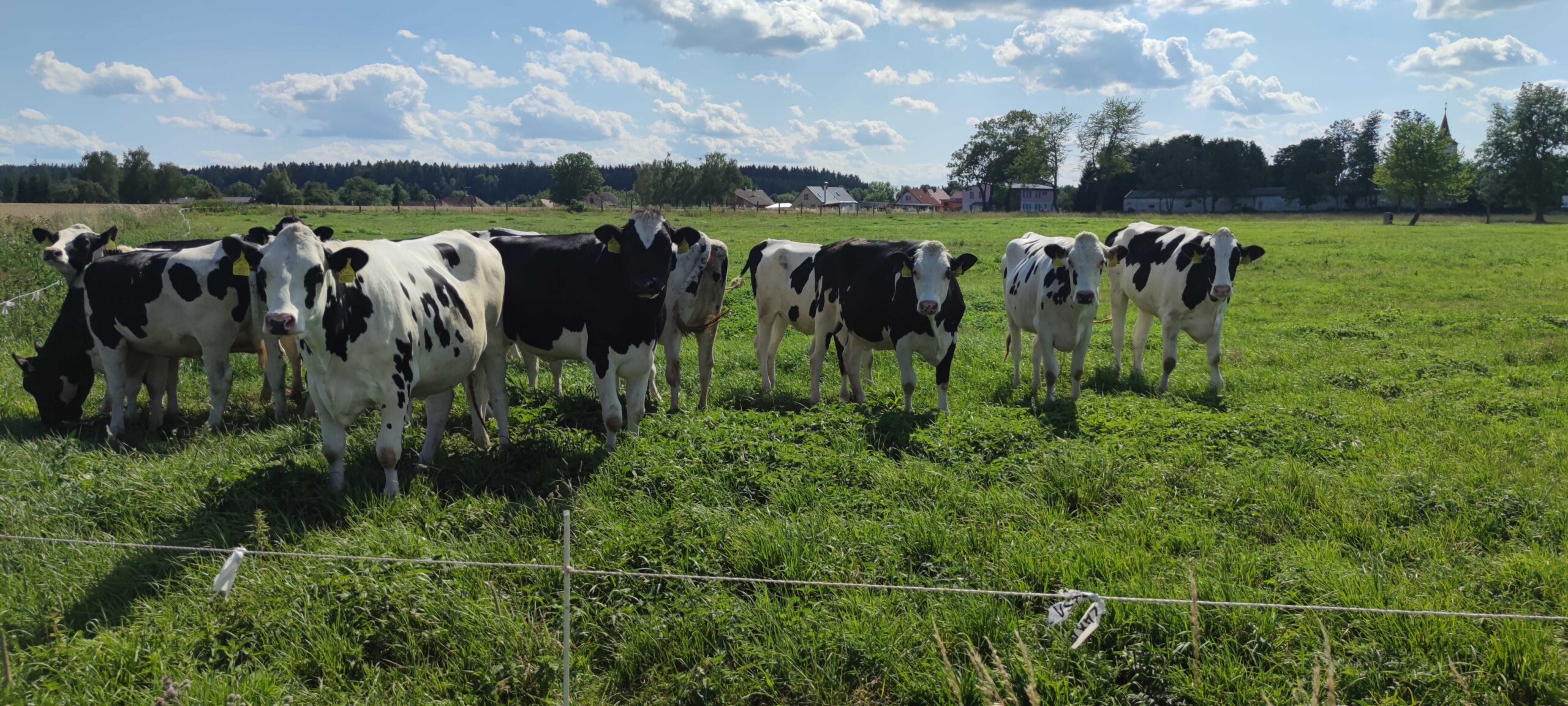
As for the animals, we currently raise calves and heifers.
Tell us more about your core activities.
The main activities on our farm include the cultivation of cereals, rapeseed, and high-volume fodder for cattle.
We focus on producing plant products and raising heifers (young cattle) that will be transferred to or used by our joint farms.
Currently, we are focusing on these activities, and we don’t have any other (for example, we don’t have any shop activity linked to our farm).
Let’s shift to the GUARDIANS project. You are the farm involved in Pilot #6 where technology #3 Grassguard – a semi-autonomous flying drone that removes weeds from pasture – will be tested. What kind of challenges are you facing on your farm, and what do you hope to achieve with GUARDIANS?
The main challenges we are currently facing on the farm include unpredictable weather conditions and the slope of some parts of the land, which can make certain farming activities more difficult.
Our main goal is to improve labour organisation and optimise production processes to increase efficiency.
Through the GUARDIANS project, we hope to better manage resources and minimise waste.
In particular, thanks to GrassGuard, we expect further improvements in the condition of our pastures, which will enhance the overall sustainability and productivity of the farm.
How do you feel about the use of technology for your daily work? Do you trust the technology you will test in the pilot? And what impact do you think it will have on your daily work?
The use of technology is becoming increasingly important for improving and streamlining work on the farm.
As we explore the integration of new technologies into our operations, we believe that the technologies being tested have the potential to help address various challenges on the farm.
I believe that the insights and tools developed through the project can be beneficial for our current processes while also having the potential to be applied to other areas of the farm, contributing to greater overall efficiency and sustainability in the long term.
For small- and medium-sized farms to be competitive in the global market, it is crucial to bridge the current technological gap with bigger farms. What are the current barriers in your opinion? What do you think is necessary to improve for more farmers to approach innovative and sustainable farming practices?
From my point of view, there is a lack of a clear strategy outlining what is expected from farmers and their future role in society.
It is essential for policy makers to establish a clear agricultural strategy that specifies the role of farms within the European rural environment. This strategy should consider the sustainability of local agriculture, support for farmers, and the long-term economic and environmental impacts on rural communities.
Only then can we ensure a fair and balanced approach that strengthens European agriculture and protects local livelihoods.
And, on the other hand, what would you suggest farmers do to approach, understand and potentially evaluate the use of new technologies in the agri-food sector?
New technologies are not only a challenge but also an opportunity. They have the potential to revolutionise farming practices, making them more efficient, sustainable, and resilient.
By adopting innovative solutions, farmers can improve productivity, optimise resource use, and reduce environmental impact.
However, I know it is difficult. So, my suggestion is to trust innovation and receive proper training and support – which is crucial to fully leverage new opportunities.
The successful integration of new technologies will not only address current challenges but also pave the way for a more competitive and sustainable agricultural sector in the future.
Thank you for this inspiring chat, Josef!
Stay tuned for the next Farm Stories interview.