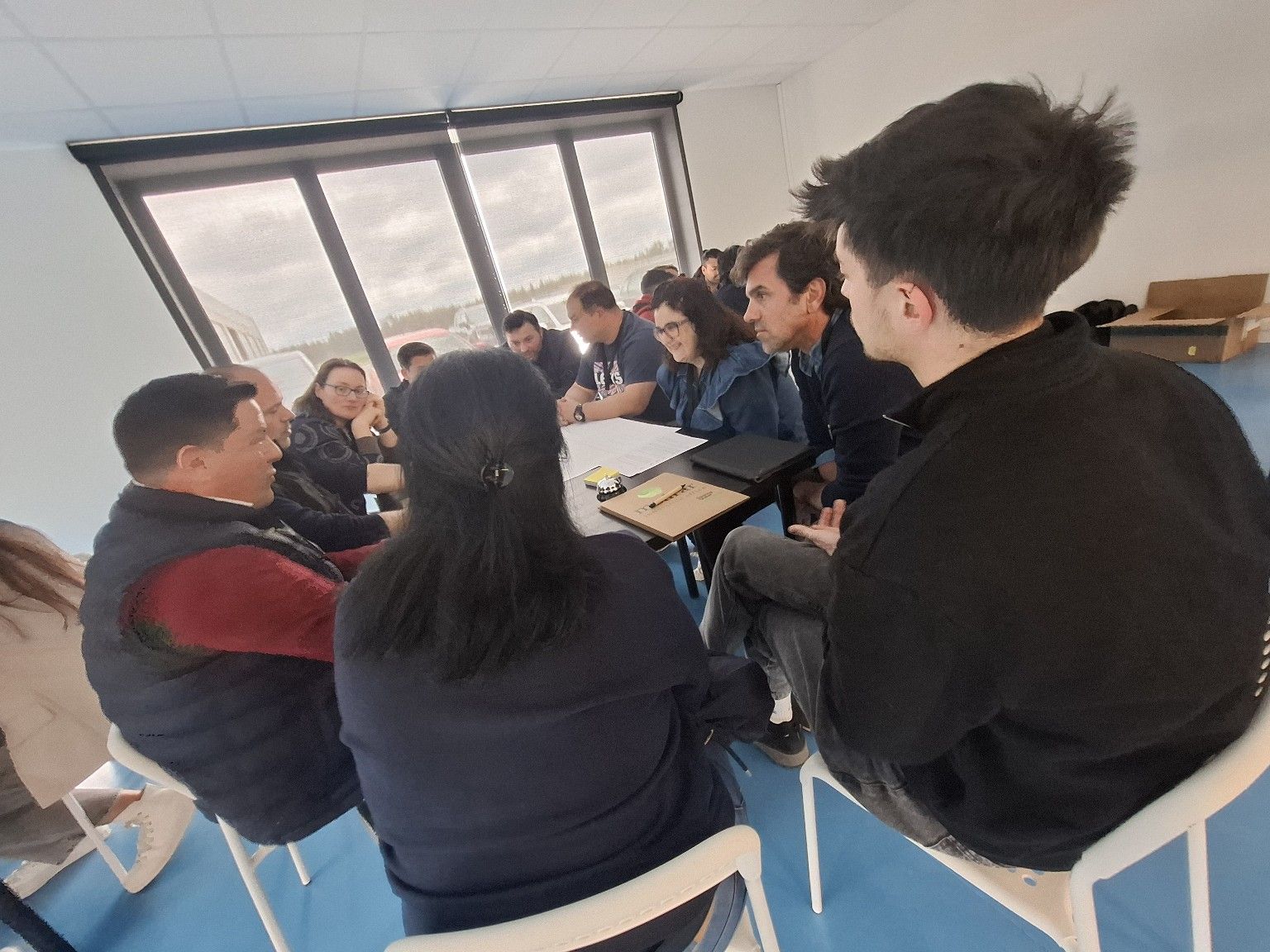

The event included farmers from both extensive and intensive farm structures. Additionally, 13 stakeholders from diverse farming backgrounds participated in meaningful discussions about sustainability challenges in livestock farming.
Key Discussion Areas
First, participants engaged in discussions about generational renewal challenges. They explored how to attract younger farmers while preserving traditional knowledge. Furthermore, economic sustainability emerged as a central theme. Farmers shared strategies for improving profitability through innovative services and tools.
The workshop also addressed environmental impact mitigation practices. Participants shared successful approaches and identified areas requiring additional support. Moreover, digital tools in farm management generated significant interest. However, farmers emphasised the need for accessible training and technical support.
Collaborative Solutions and Innovation
Subsequently, discussions highlighted the importance of cooperation and diversification potential. Participants explored how collaborative approaches could strengthen individual operations. They also examined waste management difficulties and potential solutions. Additionally, they discussed drivers for adopting new technologies.
Furthermore, participants emphasised the role of institutional collaboration as crucial for sector development. Meanwhile, farmers discussed strategies to better communicate agriculture’s value to society. They also addressed market demands beyond price.
Moving Forward
As a result, workshop feedback emphasised several key needs. Participants called for economic incentives and administrative support to facilitate digital adoption. They also wish sustainable practices were more accessible. In addition, they requested improved training opportunities and enhanced farmer collaboration.
In conclusion, participants identified key priorities. These include more support for small and medium-sized farms. Farmers also consider better access to technology and training essential. Similarly, they require realistic regulations. Finally, stakeholders highlighted stronger inter-farmer cooperation as crucial.
Therefore, the workshop underscored the clear need for institutional engagement. Tailored strategies must address the livestock sector’s specific sustainability challenges.
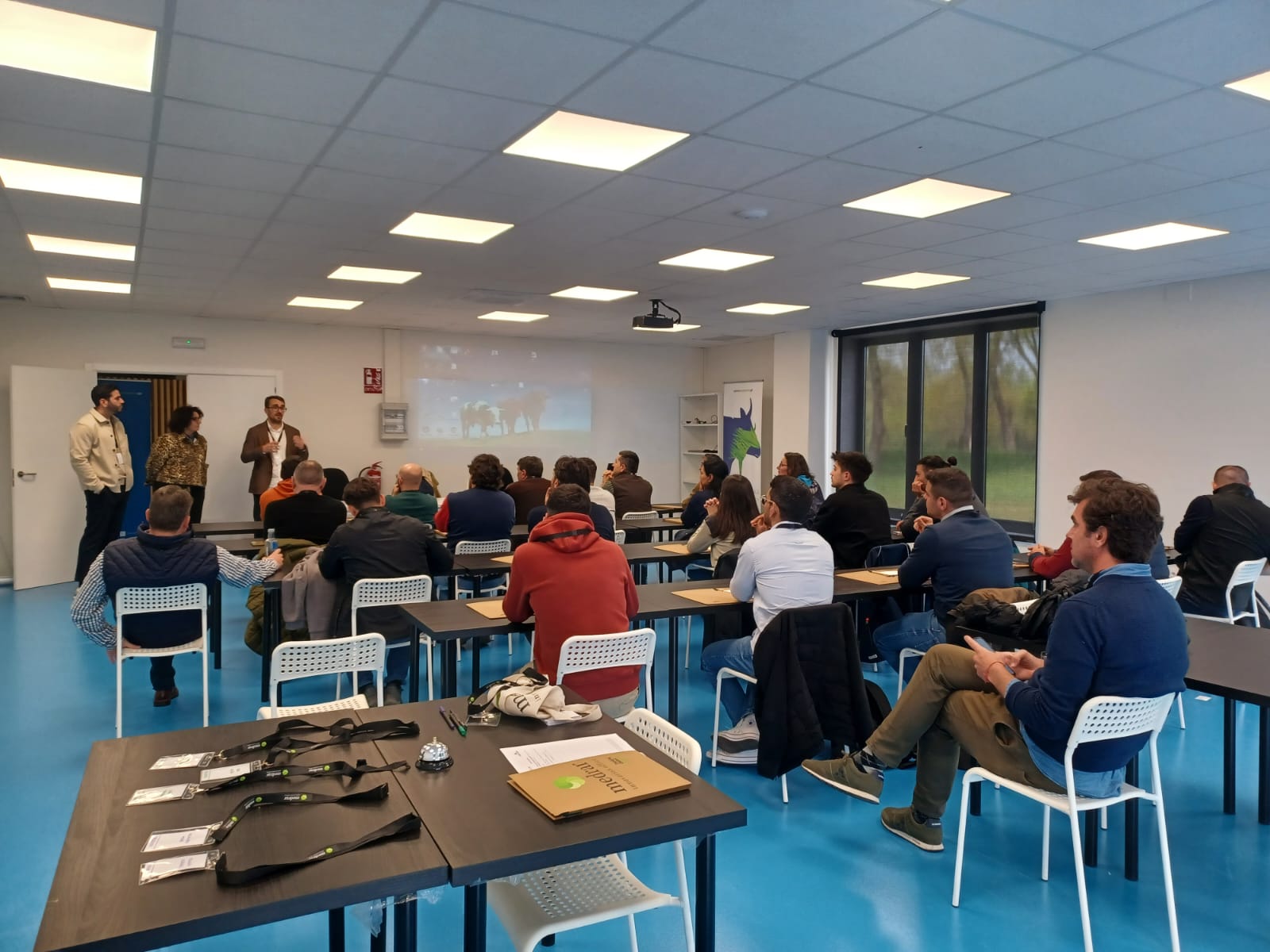
Photo by Silvana Alejandra Tejera on Unsplash