
GUARDIANS will help small- and medium-sized farms bridge the current technological gap with bigger farms through the implementation of a set of digital innovative solutions.
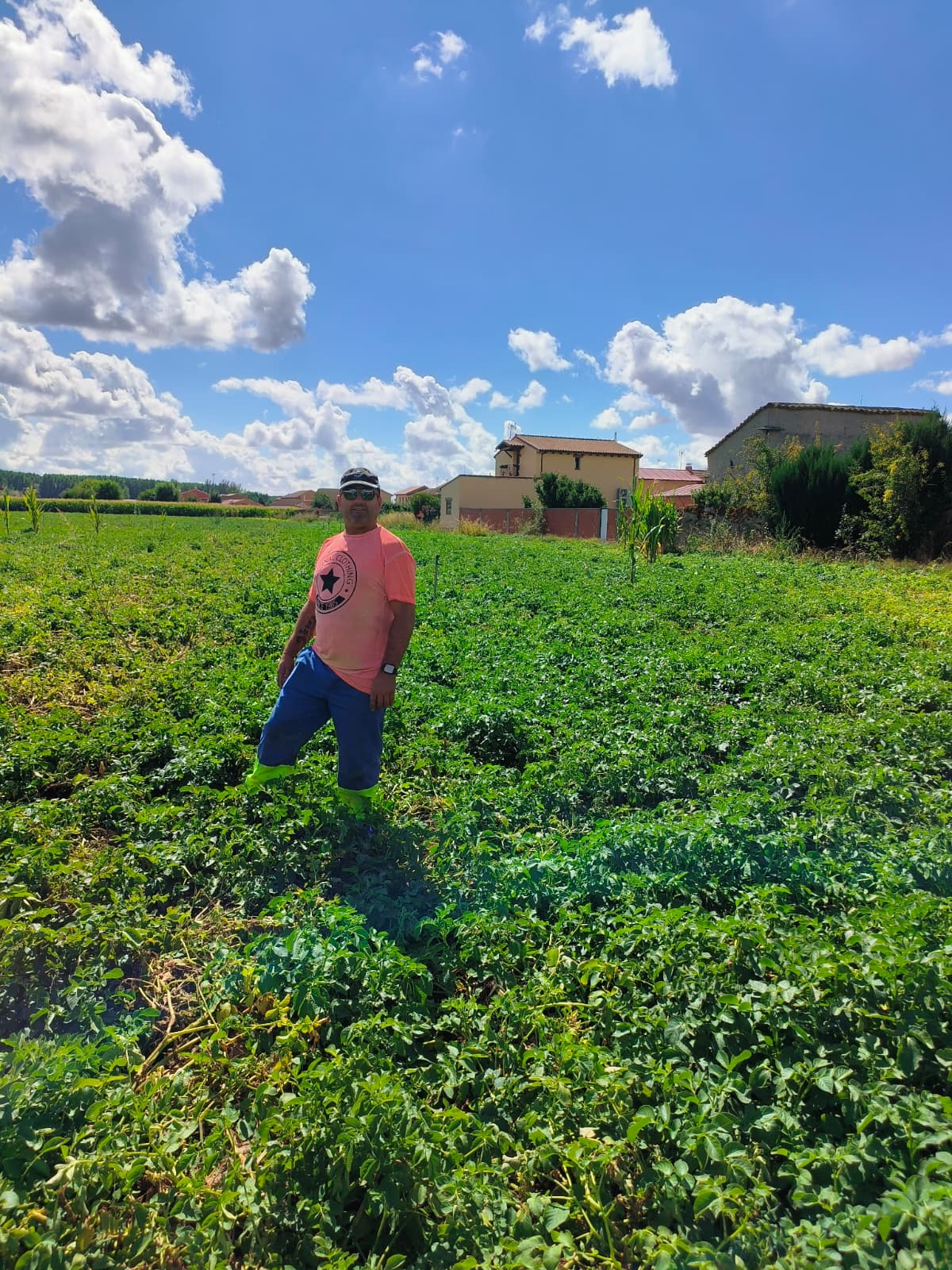
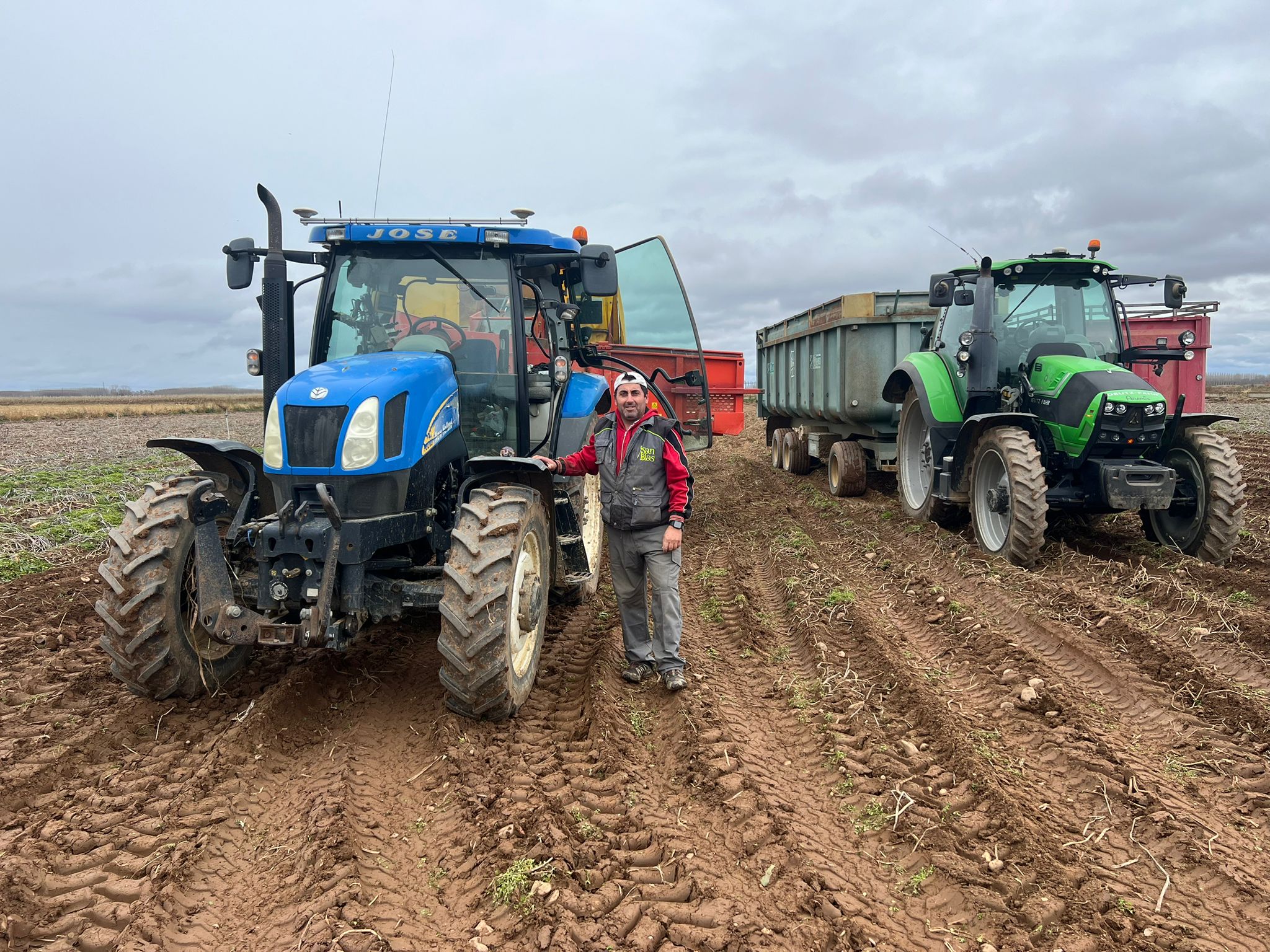
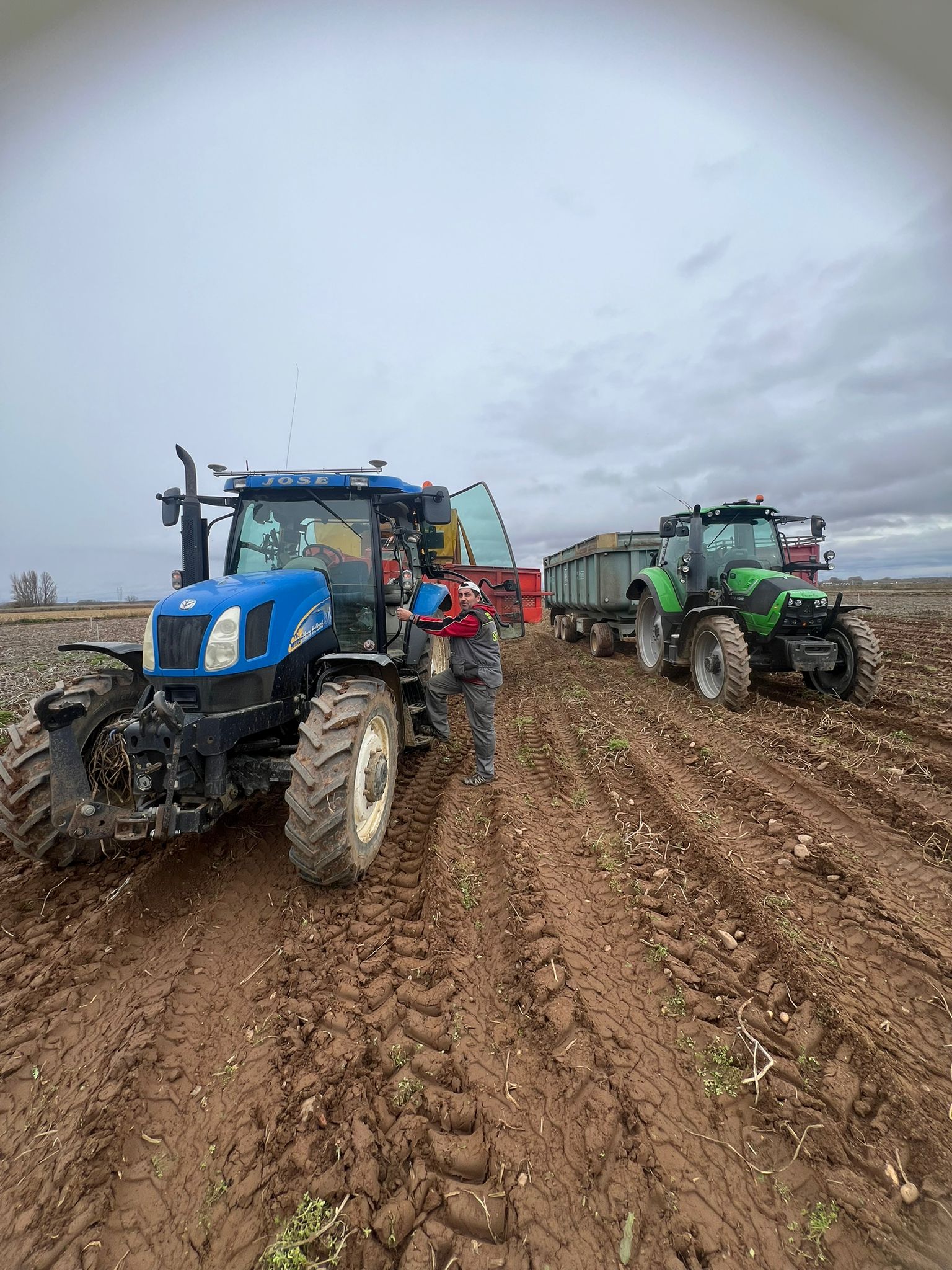
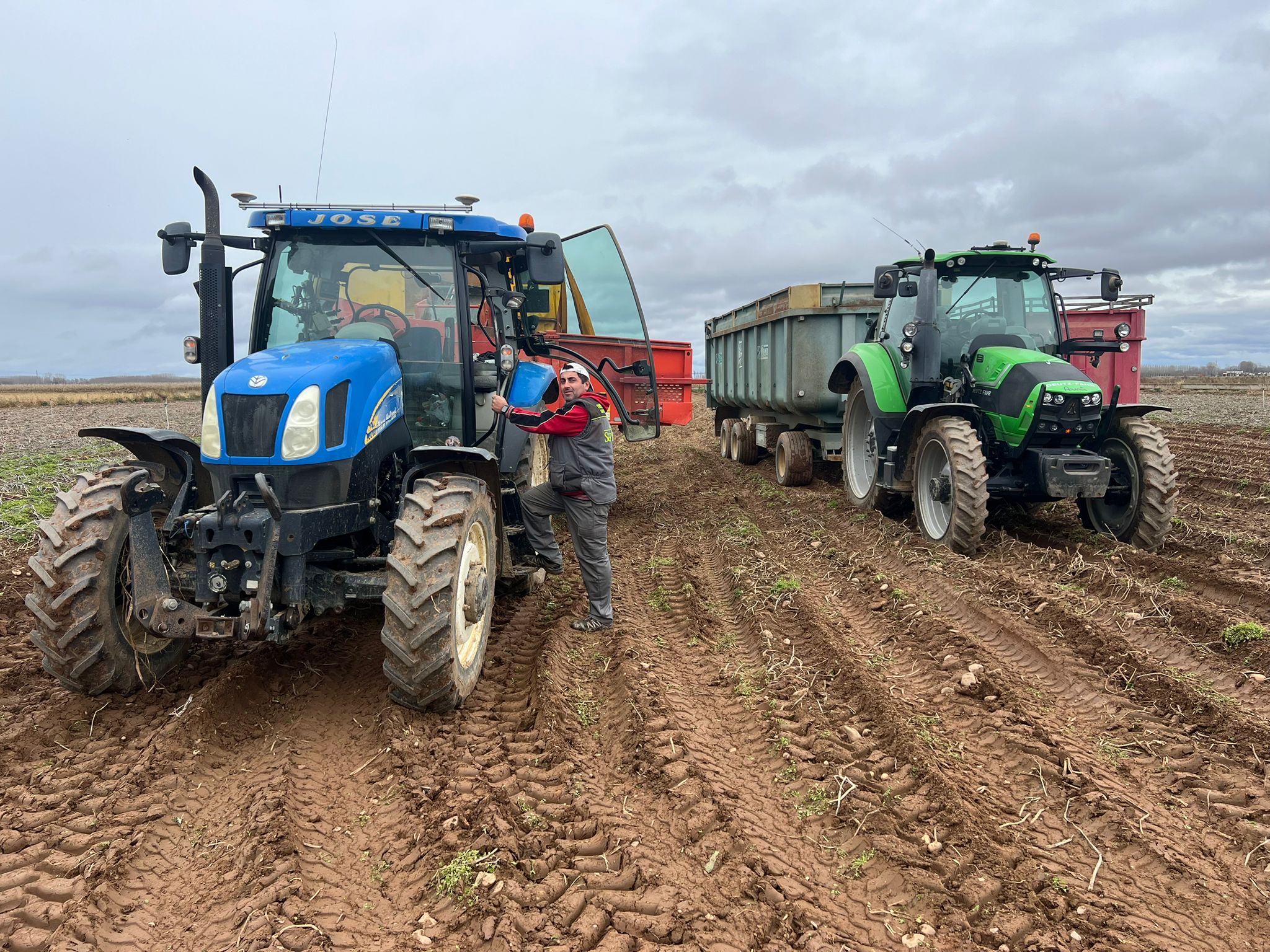
Today, we interview José, who owns his own farm in Villarnera de la Vega (Spain).
Hi José!
Let’s start with the first question.
What kind of farm is your farm? Tell us more about it and your core activities.
My farm is located in Villarnera de la Vega, a municipality in León, in the northwest of Spain. It is a family-run farm covering 50 hectares. I have spent my whole life in the countryside; from a very young age, I worked alongside my father, so my connection to the land has always been strong.
Before dedicating myself fully to agriculture, I worked as a bodywork technician at the Mercedes factory. However, when my father became ill, I decided to leave that job to continue the family’s farming activity.
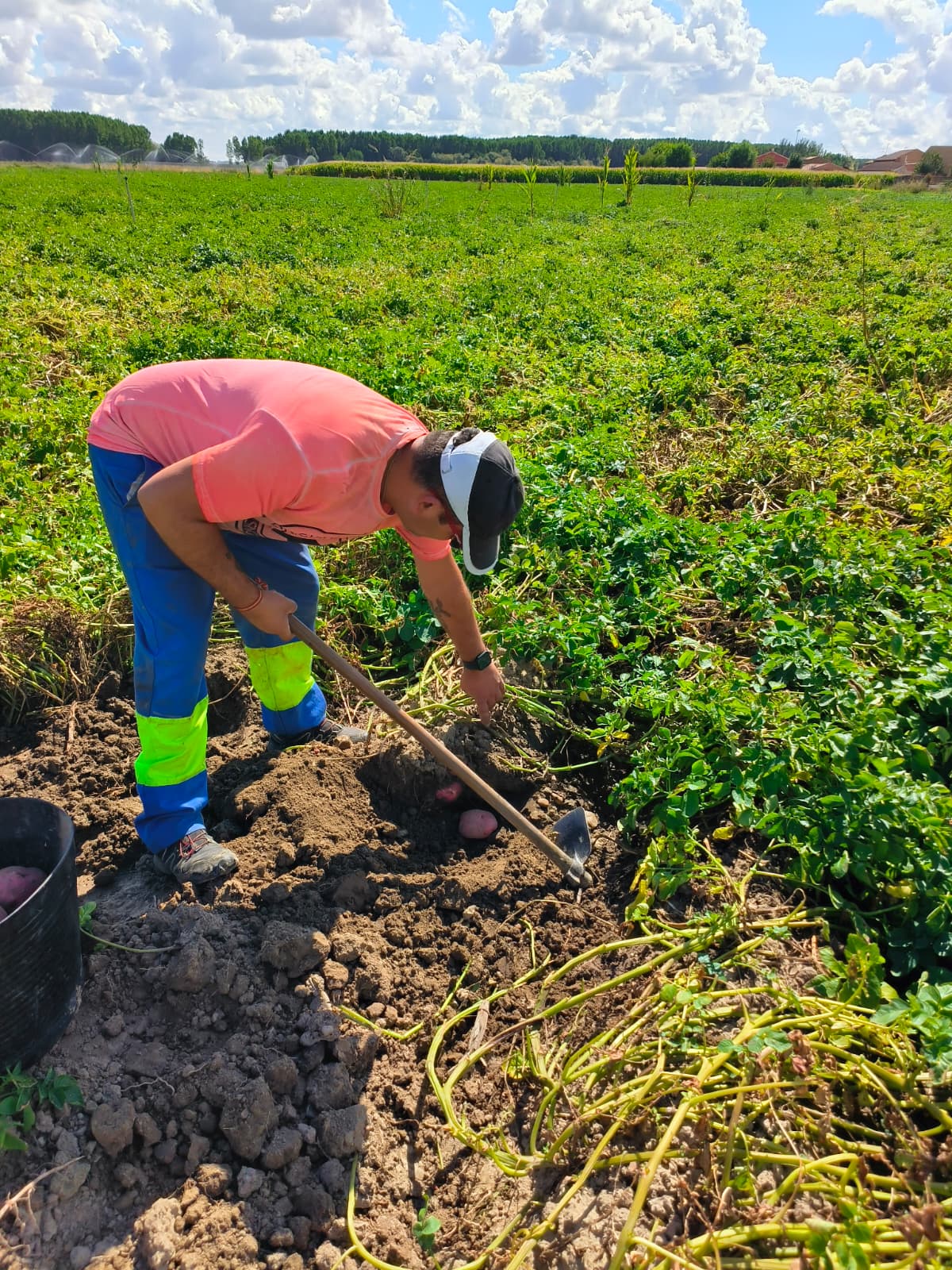
My father mainly cultivated potatoes and sugar beet, and his influence led me not only to continue those crops but also to diversify into others such as onions, rapeseed, and beans. Today, the main activities on my farm include growing winter cereals, corn, beets, potatoes, beans, and rapeseed. I am also part of several local agricultural cooperatives where I sell my produce.
I manage the farm on my own, with occasional help from my family during the harvest season. Although it is a small farm, I prioritise high-value crops and on adopting new technologies to improve efficiency and productivity.
Let’s shift to the GUARDIANS project. You are one of the farms involved in Pilot #1 where technology #1 SATIVUM – a technology-based decision-support tool helping farmers comply with EU Common Agricultural Policy (CAP) requirements – will be tested. What kind of challenges are you facing on your farm, and what do you hope to achieve with GUARDIANS?
With the current increase in costs and the challenges of running a family farm, simply diversifying my crops is no longer enough, I need to manage them more efficiently. Through GUARDIANS, I hope to try new technologies that can help me improve the way I run my farm.
SATIVUM is especially helpful because it allows me to record all my activities and gives me vegetative index data. This information supports my decision-making and alerts me when something might be going wrong in my crops, so I can act in time and improve their yield while being compliant with the CAP requirements.
How do you feel about the use of technology for your daily work? Do you trust the technology you will test in the pilot? And what impact do you think it will have on your daily work?
With the upcoming regulations, it will be necessary to continuously record all tasks in order to create a farm logbook and comply with the new requirements. With SATIVUM, I hope to achieve this by being able to enter data in an easy and straightforward way.
I believe that if the application is intuitive, I will be able to use it every day, and it will be a real help in my work, as it would allow me to keep my farm records up to date at all times.
For small- and medium-sized farms to be competitive in the global market, it is crucial to bridge the current technological gap with bigger farms. What are the current barriers in your opinion? What do you think is necessary to improve for more farmers to approach innovative and sustainable farming practices?
I believe that managing a family farm like mine, with so many different crops, is naturally more complex than running a larger monoculture farm. This should be taken into account by the authorities when they require documentation.
I also think that new technologies, such as precision agriculture machinery, are much easier to amortize on large farms. For example, a variable-rate seeder is far more difficult to justify on a 40-hectare farm than on a 200-hectare one. For this reason, there should be ways to support small farms so they can adopt innovative and sustainable practices as well.
And, on the other hand, what would you suggest farmers do to approach, understand and potentially evaluate the use of new technologies in the agri-food sector?
In my opinion, the sooner farmers start using technology, the better. Each of us needs to find the tools that best fit our own farm, because in the near future, there will be a clear difference between farmers who use technology and those who do not.
Thank you for this inspiring chat, José!